


Hey there! As a supplier of Freezing Dryers, I often get asked if these machines can be used for drying vegetables. Well, the short answer is yes, and in this blog, I'll dive deep into how and why a freezing dryer is a great option for drying veggies.
First off, let's understand what a freezing dryer does. A Freezing Dryer works on the principle of lyophilization. This process involves freezing the product (in this case, vegetables) and then reducing the pressure to allow the frozen water in the vegetables to sublimate directly from solid ice to water vapor. Unlike traditional drying methods that use heat, which can damage the nutritional value, color, and texture of vegetables, freezing drying preserves these qualities to a large extent.
One of the biggest advantages of using a freezing dryer for vegetables is the retention of nutrients. Vegetables are packed with vitamins, minerals, and antioxidants that are essential for our health. When we use high - heat drying methods, many of these nutrients break down or are lost. For example, vitamin C is very sensitive to heat, and a significant amount can be destroyed during conventional drying. But with freezing drying, the low - temperature process minimizes nutrient loss. This means that the dried vegetables you get still have most of their original nutritional value, making them a healthy snack or ingredient for cooking.
Another benefit is the preservation of the vegetable's natural color and flavor. We all know how unappetizing a brown, shriveled vegetable can look. Heat - dried vegetables often end up looking dull and losing their vibrant colors. Freezing drying helps maintain the natural pigments in vegetables, so they keep their bright hues. In terms of flavor, the low - temperature sublimation process locks in the vegetable's natural taste. Whether it's the sweet flavor of carrots or the savory taste of bell peppers, freezing - dried vegetables taste almost as good as fresh ones.
Texture is also an important factor. Freezing - dried vegetables have a unique, crispy texture. The sublimation process creates a porous structure in the vegetables, which gives them a light and crunchy feel. This texture is not only enjoyable to eat but also makes the vegetables easy to rehydrate. If you want to use them in soups or stews, just soak them in water for a short time, and they'll quickly regain their original shape and texture.
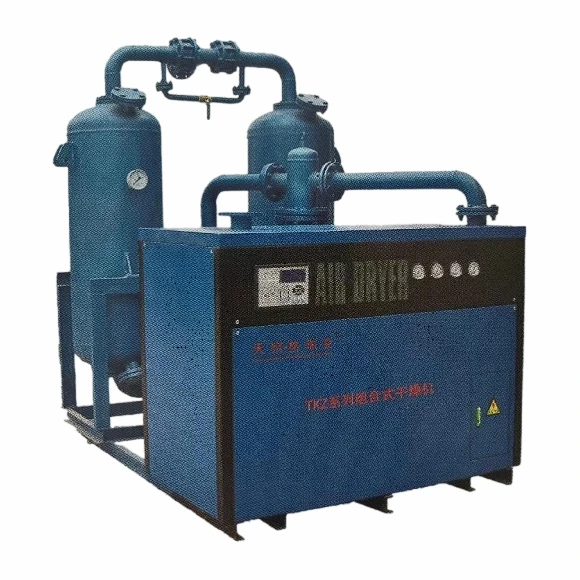

Now, let's talk about the practical aspects of using a freezing dryer for vegetables. First, the preparation is relatively simple. You just need to wash and cut the vegetables into the desired size. Smaller pieces dry faster and more evenly. Then, place them in the freezing dryer. The drying time can vary depending on the type and amount of vegetables, as well as the capacity and settings of the dryer. Generally, it takes several hours to a day or so for the vegetables to be fully dried.
It's important to note that different vegetables may require different drying conditions. For example, leafy greens like spinach or kale are more delicate and may need a shorter drying time compared to root vegetables like potatoes or turnips. Some vegetables may also benefit from a pre - treatment step, such as blanching, to stop enzyme activity and improve the drying process.
When it comes to storage, freezing - dried vegetables have a long shelf life. Since most of the water has been removed, there's less chance of mold or bacterial growth. You can store them in an airtight container at room temperature for months or even years. This makes them a convenient option for people who want to have access to vegetables all year round, especially if fresh vegetables are not always in season.
In addition to home use, freezing dryers for vegetables are also great for commercial applications. Food manufacturers can use them to produce high - quality dried vegetable products for the market. These products can be sold as snacks, ingredients for ready - to - eat meals, or components of baby food. The ability to preserve nutrients, color, and flavor makes freezing - dried vegetables a popular choice among consumers who are looking for healthy and convenient food options.
Now, if you're thinking about getting a freezing dryer for your vegetable - drying needs, we offer a range of models to suit different requirements. Our Freezing Dryer is designed with advanced technology to ensure efficient and high - quality drying. It's easy to operate, even for beginners, and has features like adjustable temperature and drying time settings.
We also have other types of dryers in our product line. For example, the Micro Thermal Regeneration Adsorption Dryer is suitable for industrial applications where high - quality compressed air is needed. And the Heatless Combined Dryer offers a cost - effective solution for some specific drying needs.
If you're interested in learning more about our Freezing Dryers or have any questions about using them for vegetable drying, don't hesitate to reach out. We're here to help you make the best choice for your needs. Whether you're a home cook looking to preserve your garden harvest or a business owner in the food industry, we can provide you with the right equipment and support. Contact us to start a discussion about your vegetable - drying requirements and let's find the perfect solution together.
References
- "Principles of Food Drying" by various food science researchers.
- "Lyophilization: Introduction and Basic Principles" from academic food technology journals.


