


Can a Non Thermal Regeneration Adsorption Dryer be used in a pharmaceutical industry?
In the highly regulated and quality - conscious pharmaceutical industry, the demand for high - quality compressed air is non - negotiable. Compressed air is used in various processes, from powering pneumatic equipment to being in direct contact with pharmaceutical products during manufacturing, packaging, and even in cleanroom environments. One of the key aspects of ensuring the quality of compressed air is controlling its moisture content. This is where non - thermal regeneration adsorption dryers come into play.
The Role of Compressed Air in the Pharmaceutical Industry
Compressed air serves multiple functions in pharmaceutical manufacturing. It is used for:
- Process Automation: Pneumatic actuators and valves rely on compressed air to control the flow of raw materials, chemicals, and finished products through the manufacturing process.
- Product Packaging: Compressed air is used in filling machines, capping machines, and labeling equipment. In some cases, it is also used to create a positive pressure environment in packaging areas to prevent the ingress of contaminants.
- Cleanroom Environments: Compressed air is an integral part of maintaining the cleanliness and sterility of cleanrooms. It is used in air handling systems, and if contaminated, can introduce moisture, particles, and microorganisms into the controlled environment.
The presence of moisture in compressed air can lead to several problems. It can cause corrosion in pneumatic equipment, leading to reduced equipment lifespan and increased maintenance costs. Moisture can also promote the growth of bacteria and fungi, which is a serious concern in pharmaceutical manufacturing where product purity is of utmost importance.
How Non Thermal Regeneration Adsorption Dryers Work
A Non Thermal Regeneration Adsorption Dryer operates on the principle of adsorption. It typically consists of two adsorption towers filled with a desiccant material, such as activated alumina or molecular sieves.
During the drying process, the wet compressed air enters one of the adsorption towers. The desiccant material adsorbs the moisture from the air, producing dry compressed air at the outlet. While one tower is in the adsorption phase, the other tower is in the regeneration phase.
In a non - thermal regeneration adsorption dryer, regeneration is achieved by using a small portion of the dry compressed air produced. This purge air is directed through the tower that needs to be regenerated, carrying away the adsorbed moisture. The purge air is then vented to the atmosphere.

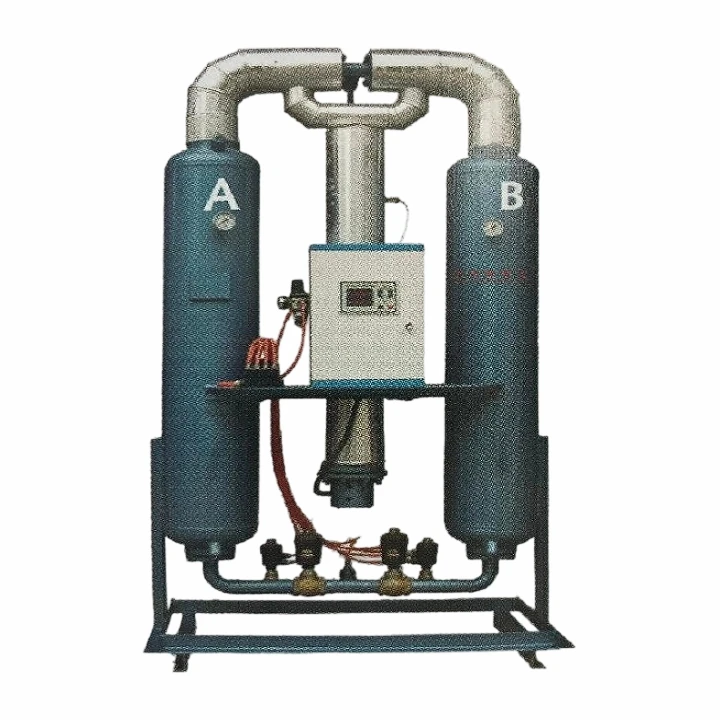
Advantages of Non Thermal Regeneration Adsorption Dryers for the Pharmaceutical Industry
- Low Dew Point: Non - thermal regeneration adsorption dryers can achieve very low dew points, typically in the range of - 40°C to - 70°C. This low dew point ensures that the compressed air is extremely dry, which is crucial for preventing moisture - related issues in pharmaceutical manufacturing processes.
- Continuous Operation: With two adsorption towers, these dryers can provide a continuous supply of dry compressed air. While one tower is adsorbing moisture, the other is being regenerated, ensuring that there is no interruption in the drying process.
- No External Heating Source: Unlike some other types of dryers, non - thermal regeneration adsorption dryers do not require an external heating source for regeneration. This makes them energy - efficient and reduces the risk of overheating and potential damage to the desiccant material.
- Compact Design: These dryers often have a compact design, which is beneficial in pharmaceutical facilities where space may be limited. They can be easily integrated into existing compressed air systems.
Considerations for Using Non Thermal Regeneration Adsorption Dryers in the Pharmaceutical Industry
- Purge Air Loss: One of the main drawbacks of non - thermal regeneration adsorption dryers is the loss of purge air. The purge air represents a certain percentage of the total compressed air flow, which can result in increased energy consumption if not properly managed. However, modern dryers are designed to minimize purge air loss.
- Desiccant Replacement: Over time, the desiccant material in the adsorption towers will lose its effectiveness and need to be replaced. This requires regular maintenance and can add to the overall operating cost.
- Contamination Risk: Although non - thermal regeneration adsorption dryers are effective at removing moisture, there is still a risk of desiccant dust being carried over into the compressed air stream. This can be mitigated by using proper filtration downstream of the dryer.
Comparison with Other Types of Dryers
- Micro Thermal Regeneration Adsorption Dryer: A Micro Thermal Regeneration Adsorption Dryer uses a small amount of external heat during the regeneration process. This can reduce the amount of purge air required compared to a non - thermal regeneration dryer. However, it also adds complexity and cost to the system.
- Heatless Combined Dryer: A Heatless Combined Dryer combines the features of a refrigerated dryer and a non - thermal regeneration adsorption dryer. It can achieve a relatively low dew point with lower purge air loss compared to a traditional non - thermal regeneration dryer.
Regulatory Requirements in the Pharmaceutical Industry
The pharmaceutical industry is subject to strict regulations regarding the quality of compressed air. Regulatory bodies such as the FDA (Food and Drug Administration) in the United States and the EMA (European Medicines Agency) in Europe have specific guidelines on compressed air quality.
Compressed air used in pharmaceutical manufacturing must meet certain standards for moisture content, particle size, and microbial contamination. Non - thermal regeneration adsorption dryers can play a crucial role in helping pharmaceutical companies meet these regulatory requirements by providing dry and clean compressed air.
Case Studies: Success Stories in the Pharmaceutical Industry
There are numerous case studies where non - thermal regeneration adsorption dryers have been successfully implemented in pharmaceutical facilities. For example, a large pharmaceutical company was experiencing corrosion in its pneumatic equipment due to moisture in the compressed air. After installing a non - thermal regeneration adsorption dryer, the equipment lifespan increased significantly, and the frequency of maintenance decreased.
In another case, a pharmaceutical manufacturer was struggling to maintain the required sterility in its cleanroom environment. By using a non - thermal regeneration adsorption dryer to provide dry compressed air for the air handling system, the company was able to reduce the moisture levels in the cleanroom, which in turn helped to prevent the growth of microorganisms.
Conclusion
In conclusion, non - thermal regeneration adsorption dryers can indeed be used in the pharmaceutical industry. Their ability to achieve low dew points, provide continuous operation, and operate without an external heating source make them a suitable choice for many pharmaceutical applications. However, it is important to carefully consider the potential drawbacks, such as purge air loss and desiccant replacement, and take appropriate measures to mitigate them.
If you are a pharmaceutical manufacturer looking for a reliable solution to control the moisture content in your compressed air, we invite you to explore our range of Non Thermal Regeneration Adsorption Dryers. Our team of experts can provide you with detailed information, technical support, and help you determine the best dryer for your specific needs. Contact us today to start a discussion about your compressed air treatment requirements and take the first step towards ensuring the quality of your pharmaceutical manufacturing processes.
References
- ISO 8573 - 1:2010, Compressed air -- Part 1: Contaminants and purity classes.
- FDA Guidance for Industry: Sterile Drug Products Produced by Aseptic Processing -- Current Good Manufacturing Practice.
- EMA Guideline on Good Manufacturing Practice for Medicinal Products for Human and Veterinary Use.


