


Hey there! As a supplier of Non Thermal Regeneration Adsorption Dryers, I've seen firsthand how the air flow rate can have a huge impact on the performance of these machines. In this blog post, I'm gonna break down how air flow rate affects a Non Thermal Regeneration Adsorption Dryer and why it's so important to get it right.
First off, let's talk about what a Non Thermal Regeneration Adsorption Dryer actually does. These dryers are used to remove moisture from compressed air, which is super important in a lot of industrial applications. Moisture in compressed air can cause all sorts of problems, like corrosion in pipes and equipment, reduced efficiency of pneumatic tools, and even damage to products. So, a good dryer is essential for keeping things running smoothly.
Now, the air flow rate is basically how much air is passing through the dryer per unit of time. It's usually measured in cubic feet per minute (CFM) or cubic meters per hour (m³/h). And here's the thing: the air flow rate can really mess with the dryer's performance if it's not set correctly.
How Air Flow Rate Affects Drying Efficiency
One of the main ways air flow rate affects a Non Thermal Regeneration Adsorption Dryer is through its drying efficiency. You see, the dryer works by passing the compressed air through an adsorbent material, like activated alumina or silica gel. This material attracts and holds onto the moisture in the air, leaving behind dry air.
If the air flow rate is too high, the air might not spend enough time in contact with the adsorbent material. This means that the adsorbent won't have enough time to remove all the moisture from the air, and you'll end up with air that's still pretty humid. On the other hand, if the air flow rate is too low, the dryer might not be able to handle the amount of air that needs to be dried. This can lead to longer drying times and higher energy consumption.
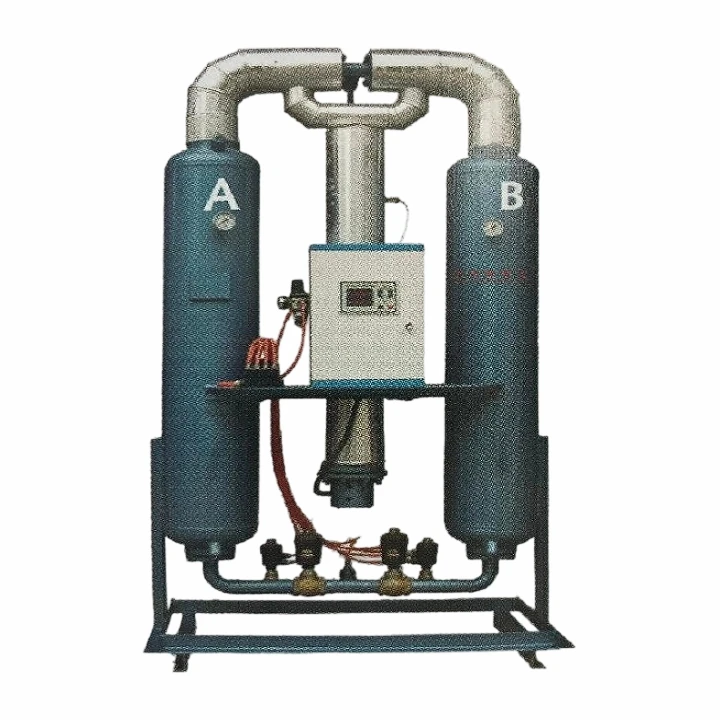

Let's say you have a dryer that's designed to handle a certain air flow rate, like 100 CFM. If you try to push 150 CFM through it, the dryer will struggle to keep up. The adsorbent won't be able to do its job properly, and you'll get air that's not as dry as you need it to be. This can cause problems down the line, like rust in your pipes or malfunctions in your pneumatic equipment.
Impact on Regeneration Process
Another important aspect of a Non Thermal Regeneration Adsorption Dryer is its regeneration process. After the adsorbent material has been saturated with moisture, it needs to be regenerated so that it can keep working effectively. This is usually done by passing a small amount of dry air through the adsorbent to remove the moisture.
The air flow rate during the regeneration process is crucial. If the flow rate is too low, the regeneration might not be complete. The moisture won't be removed from the adsorbent, and it won't be able to adsorb more moisture in the next drying cycle. This can lead to a gradual decrease in the dryer's performance over time.
Conversely, if the air flow rate during regeneration is too high, it can waste energy. You're using more air than you need to regenerate the adsorbent, which means higher operating costs. So, finding the right balance is key.
Pressure Drop and Air Flow Rate
Pressure drop is another factor that's closely related to air flow rate. Pressure drop is the difference in pressure between the inlet and the outlet of the dryer. As the air flows through the dryer, it encounters resistance from the adsorbent material and other components. This resistance causes a drop in pressure.
If the air flow rate is too high, the pressure drop will be greater. This can put extra strain on your compressor, which has to work harder to maintain the desired pressure. Higher pressure drop also means higher energy consumption, which is bad for your bottom line.
On the other hand, if the air flow rate is too low, the pressure drop might be too small. This could indicate that there's a problem with the dryer, like a blockage or a malfunctioning valve. So, monitoring the pressure drop can give you a good idea of how well the dryer is performing and whether the air flow rate is set correctly.
Choosing the Right Air Flow Rate
So, how do you choose the right air flow rate for your Non Thermal Regeneration Adsorption Dryer? Well, it depends on a few factors. First, you need to know the air demand of your system. This includes how much compressed air you need for your equipment and processes. You can usually find this information in the specifications of your pneumatic tools and other equipment.
Once you know your air demand, you can select a dryer that's rated for that air flow rate. It's important to choose a dryer that can handle your maximum air demand, but you also don't want to go too big. An oversized dryer can be more expensive to buy and operate, and it might not be as efficient as a properly sized one.
You also need to consider the future growth of your business. If you expect to increase your air demand in the coming years, it might be a good idea to choose a dryer that can handle a slightly higher air flow rate than you currently need.
Other Considerations
In addition to the air flow rate, there are other factors that can affect the performance of a Non Thermal Regeneration Adsorption Dryer. For example, the inlet air temperature and humidity can have a big impact. Higher inlet air temperature and humidity mean that there's more moisture in the air, which can make the dryer's job more difficult.
The quality of the adsorbent material is also important. A high-quality adsorbent will have a greater capacity to adsorb moisture and will last longer. You might also want to consider using additional filtration equipment, like a Precision Filter, to remove any contaminants from the air before it enters the dryer. This can help protect the adsorbent and improve the dryer's performance.
Conclusion
In conclusion, the air flow rate is a critical factor in the performance of a Non Thermal Regeneration Adsorption Dryer. Getting it right can mean the difference between a dryer that works efficiently and one that causes problems. By understanding how air flow rate affects drying efficiency, regeneration, and pressure drop, you can make informed decisions when choosing and operating your dryer.
If you're in the market for a Non Thermal Regeneration Adsorption Dryer, or if you're having issues with your current dryer's performance, don't hesitate to reach out. We're here to help you find the right solution for your needs. We also offer other types of dryers, like the Heatless Combined Dryer and the Micro Thermal Regeneration Adsorption Dryer, which might be a better fit depending on your specific requirements.
Contact us today to start a conversation about your compressed air drying needs. We're ready to assist you in finding the perfect dryer and ensuring it operates at its best.
References
- Perry, R. H., & Green, D. W. (1997). Perry's Chemical Engineers' Handbook. McGraw-Hill.
- American Society of Mechanical Engineers. (2019). ASME PTC 19.11-2019: Performance Test Code on Compressed Air and Gas.


