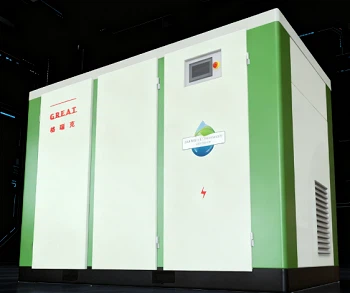
Hey there! As a supplier of compressed air treatment equipment, I often get asked about how to check the operation status of these machines. It's crucial to keep an eye on their performance to ensure they're working efficiently and effectively. In this blog post, I'm gonna share some tips and tricks on how you can do just that.
Understanding Compressed Air Treatment Equipment
Before we dive into the checking process, let's quickly go over the different types of compressed air treatment equipment. There are mainly three types that are commonly used: the Micro Thermal Regeneration Adsorption Dryer, the Freezing Dryer, and the Non Thermal Regeneration Adsorption Dryer.
Each of these dryers has its own unique features and functions. The Micro Thermal Regeneration Adsorption Dryer uses a combination of heat and adsorption to remove moisture from the compressed air. The Freezing Dryer, on the other hand, cools the compressed air to condense the moisture, which is then removed. And the Non Thermal Regeneration Adsorption Dryer relies solely on adsorption to dry the air.


Visual Inspection
The first step in checking the operation status of your compressed air treatment equipment is to do a visual inspection. This is a simple but effective way to spot any obvious issues.
- Check the Exterior: Look for any signs of damage, such as cracks, dents, or leaks. Check the pipes and connections for any loose fittings or signs of corrosion. If you notice any damage, it's important to address it as soon as possible to prevent further problems.
- Inspect the Controls and Displays: Make sure all the controls are in the correct position and that the displays are showing accurate readings. If you see any error messages or abnormal readings, take note of them and refer to the equipment's manual for troubleshooting.
- Look at the Filters: Check the air filters to see if they're dirty or clogged. A dirty filter can restrict the airflow and reduce the efficiency of the equipment. If the filter is dirty, replace it according to the manufacturer's recommendations.
Pressure and Temperature Checks
Pressure and temperature are two important parameters that can indicate the health of your compressed air treatment equipment.
- Pressure Checks: Use a pressure gauge to measure the inlet and outlet pressures of the equipment. Compare the readings to the recommended operating pressures specified in the manual. If the pressures are too high or too low, it could indicate a problem with the compressor, the dryer, or the piping system.
- Temperature Checks: Measure the temperature of the compressed air at the inlet and outlet of the dryer. The temperature should be within a certain range for the equipment to operate effectively. If the temperature is too high, it could cause the dryer to malfunction or reduce its lifespan.
Moisture Content Analysis
One of the main functions of compressed air treatment equipment is to remove moisture from the air. So, it's important to check the moisture content of the compressed air to ensure that the equipment is working properly.
- Use a Moisture Analyzer: There are various types of moisture analyzers available on the market. Choose one that is suitable for your application and follow the manufacturer's instructions to measure the moisture content of the compressed air.
- Check the Drainage System: Make sure the drainage system of the dryer is working properly. The drainage system is responsible for removing the condensed moisture from the equipment. If the drainage system is blocked or not working correctly, it can lead to water accumulation in the dryer, which can cause damage to the equipment.
Performance Monitoring
In addition to the above checks, it's also a good idea to monitor the performance of your compressed air treatment equipment over time. This can help you identify any trends or patterns that may indicate a potential problem.
- Keep a Log: Maintain a log of the operating parameters, such as pressure, temperature, and moisture content, on a regular basis. This will allow you to track the performance of the equipment and detect any changes over time.
- Analyze the Data: Use the data from the log to analyze the performance of the equipment. Look for any trends or patterns, such as increasing pressure or temperature, or decreasing moisture removal efficiency. If you notice any significant changes, investigate the cause and take appropriate action.
Troubleshooting and Maintenance
Even with regular checks and monitoring, problems can still occur with your compressed air treatment equipment. Here are some common issues and their possible solutions:
- Low Pressure: If the pressure is too low, check the compressor to make sure it's working properly. Also, check the piping system for any leaks or blockages.
- High Temperature: If the temperature is too high, check the cooling system of the dryer. Make sure the fan is working and that there is no blockage in the air intake or exhaust.
- Excessive Moisture: If the moisture content of the compressed air is too high, check the dryer to make sure it's working correctly. Also, check the filters and the drainage system for any problems.
Regular maintenance is also essential to keep your compressed air treatment equipment in good working condition. Follow the manufacturer's recommendations for maintenance, such as lubrication, filter replacement, and inspection.
Conclusion
Checking the operation status of your compressed air treatment equipment is an important part of ensuring its reliability and efficiency. By following the tips and tricks outlined in this blog post, you can identify and address any potential problems before they become major issues.
If you have any questions or need further assistance with your compressed air treatment equipment, don't hesitate to reach out. We're here to help you make the most of your investment in compressed air treatment technology. Whether you're looking to purchase new equipment or need advice on maintenance and troubleshooting, we're just a message away. Let's start a conversation and see how we can work together to meet your compressed air treatment needs.
References
- Compressed Air and Gas Handbook
- Manufacturer's manuals for compressed air treatment equipment