


Hey there! I'm a supplier of freezing dryers, and I know how overwhelming it can be to choose the right one. There are so many options out there, and it's easy to get lost in the sea of technical jargon and product features. But don't worry, I'm here to help! In this blog post, I'll share some tips on how to choose the right freezing dryer for your needs.
Understand Your Requirements
The first step in choosing the right freezing dryer is to understand your requirements. What kind of materials do you need to dry? How much material do you need to dry at a time? What is the desired final moisture content? These are all important questions to ask yourself before you start shopping.
For example, if you're working with biological samples, you'll need a freezing dryer that can maintain a low temperature to prevent damage to the samples. On the other hand, if you're drying food products, you may need a freezing dryer that can handle larger volumes and has a faster drying time.
Consider the Type of Freezing Dryer
There are several types of freezing dryers available on the market, each with its own advantages and disadvantages. The most common types are batch freezing dryers and continuous freezing dryers.
- Batch Freezing Dryers: These are the most common type of freezing dryers and are suitable for small to medium-scale production. They work by loading a batch of material into the dryer and then drying it in a single cycle. Batch freezing dryers are relatively easy to operate and maintain, but they can be time-consuming and may not be suitable for large-scale production.
- Continuous Freezing Dryers: These are designed for large-scale production and can handle a continuous flow of material. They work by continuously feeding material into the dryer and drying it as it passes through. Continuous freezing dryers are more efficient and can save time and labor, but they are also more expensive and require more complex maintenance.
Look at the Capacity
The capacity of a freezing dryer refers to the amount of material it can handle at a time. This is an important factor to consider, especially if you have a large volume of material to dry. The capacity of a freezing dryer is usually measured in liters or kilograms.
When choosing a freezing dryer, make sure to choose one with a capacity that meets your needs. If you have a small volume of material to dry, a small-capacity freezing dryer may be sufficient. However, if you have a large volume of material to dry, you'll need a larger-capacity freezing dryer.
Check the Temperature Range
The temperature range of a freezing dryer refers to the minimum and maximum temperatures it can reach. This is an important factor to consider, especially if you're working with materials that are sensitive to temperature.
Most freezing dryers can reach temperatures as low as -50°C to -80°C. However, some freezing dryers can reach even lower temperatures, which may be necessary for certain applications. When choosing a freezing dryer, make sure to choose one with a temperature range that meets your needs.
Consider the Vacuum System
The vacuum system is an important component of a freezing dryer. It helps to remove moisture from the material by creating a low-pressure environment. There are several types of vacuum systems available on the market, each with its own advantages and disadvantages.
- Rotary Vane Vacuum Pumps: These are the most common type of vacuum pumps used in freezing dryers. They are relatively inexpensive and easy to operate, but they can be noisy and may require frequent maintenance.
- Diaphragm Vacuum Pumps: These are a more expensive type of vacuum pumps, but they are quieter and more energy-efficient than rotary vane vacuum pumps. They also require less maintenance.
- Scroll Vacuum Pumps: These are a newer type of vacuum pumps that are becoming increasingly popular in freezing dryers. They are quiet, energy-efficient, and require less maintenance than rotary vane vacuum pumps.
When choosing a freezing dryer, make sure to choose one with a vacuum system that meets your needs. If you have a small freezing dryer, a rotary vane vacuum pump may be sufficient. However, if you have a large freezing dryer or if you're working with materials that are sensitive to moisture, you may need a more advanced vacuum system.
Look at the Control System
The control system is another important component of a freezing dryer. It allows you to control the temperature, vacuum, and other parameters of the drying process. There are several types of control systems available on the market, each with its own advantages and disadvantages.
- Manual Control Systems: These are the simplest type of control systems and are suitable for small-scale production. They allow you to manually adjust the temperature, vacuum, and other parameters of the drying process.
- Digital Control Systems: These are more advanced control systems that allow you to program the drying process and monitor the temperature, vacuum, and other parameters in real-time. They are more expensive than manual control systems, but they are also more accurate and easier to use.
When choosing a freezing dryer, make sure to choose one with a control system that meets your needs. If you have a small freezing dryer and don't need a lot of control over the drying process, a manual control system may be sufficient. However, if you have a large freezing dryer or if you're working with materials that require precise control over the drying process, you may need a digital control system.
Consider the Accessories
In addition to the basic components of a freezing dryer, there are several accessories that you may want to consider. These accessories can help you to improve the performance and efficiency of your freezing dryer.
- Condenser: A condenser is an important accessory that helps to remove moisture from the vacuum system. It can help to improve the performance and efficiency of your freezing dryer by reducing the load on the vacuum pump.
- Lyophilization Chamber: A lyophilization chamber is a specialized chamber that is used to freeze-dry biological samples. It can help to prevent damage to the samples by maintaining a low temperature and a high vacuum.
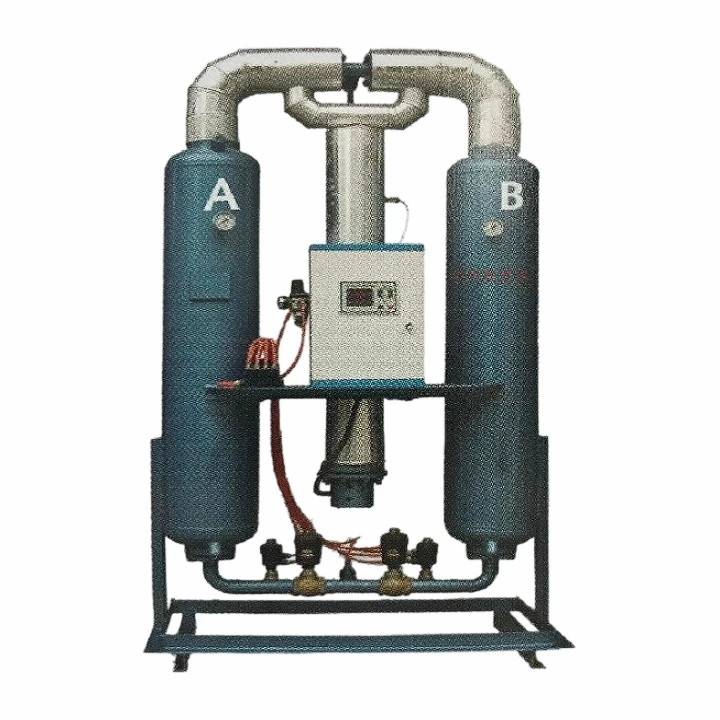
- Micro Thermal Regeneration Adsorption Dryer: This type of dryer can further treat the compressed air to ensure a dry environment, which is crucial for the proper functioning of the freezing dryer.
- Micro Heat Combined Dryer: It combines different drying methods to provide more efficient drying, which can be a great addition to your freezing dryer system.
- Precision Filter: A precision filter can help to remove impurities from the compressed air, protecting the components of the freezing dryer and ensuring high-quality drying results.
When choosing a freezing dryer, make sure to choose one that comes with the accessories you need. If you're not sure which accessories you need, you can consult with a freezing dryer supplier or a technical expert.

Check the Brand and Reputation
Finally, it's important to check the brand and reputation of the freezing dryer supplier. You want to choose a supplier that has a good reputation for providing high-quality products and excellent customer service.
You can check the brand and reputation of a freezing dryer supplier by reading online reviews, asking for references, and checking the supplier's website. Make sure to choose a supplier that has been in business for several years and has a proven track record of providing high-quality products and excellent customer service.
Conclusion
Choosing the right freezing dryer can be a challenging task, but it doesn't have to be. By understanding your requirements, considering the type of freezing dryer, looking at the capacity, checking the temperature range, considering the vacuum system, looking at the control system, considering the accessories, and checking the brand and reputation, you can choose the right freezing dryer for your needs.
If you're still not sure which freezing dryer is right for you, don't hesitate to contact us. We're a leading supplier of freezing dryers and have years of experience in the industry. We can help you to choose the right freezing dryer for your needs and provide you with excellent customer service.


