


Hey there! As a supplier of Micro Heat Combined Dryers, I've had my fair share of experiences in dealing with these nifty pieces of equipment. One of the most common questions I get from customers is how to monitor the performance of a Micro Heat Combined Dryer. Well, you've come to the right place! In this blog post, I'll walk you through the ins and outs of performance monitoring, so you can keep your dryer running smoothly and efficiently.
First off, let's understand what a Micro Heat Combined Dryer is. It's a type of dryer that combines the features of heatless and heat regeneration dryers. This combination allows for better energy efficiency and lower operating costs compared to traditional dryers. You can check out more about Heatless Combined Dryer on our website.
Now, onto the main topic - performance monitoring. There are several key parameters that you need to keep an eye on to ensure your dryer is performing at its best.
1. Dew Point Monitoring
The dew point is one of the most important indicators of a dryer's performance. It measures the temperature at which water vapor in the compressed air begins to condense. A lower dew point means drier air, which is crucial for many industrial applications.
You can use a dew point sensor to continuously monitor the dew point of the outlet air. Most modern dryers come with built-in dew point sensors, but if yours doesn't, you can easily install an external one. Make sure to place the sensor in a location where it can accurately measure the air quality, such as near the dryer's outlet.
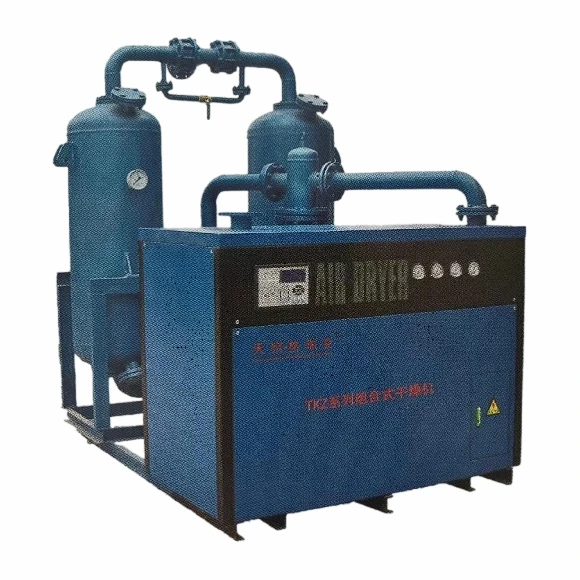

Regularly check the dew point readings. If the dew point starts to rise, it could be a sign of several issues, such as a clogged filter, a malfunctioning valve, or saturated desiccant. For example, if you notice that the dew point has increased from -40°C to -20°C, it's time to investigate further. You can also refer to our Micro Thermal Regeneration Adsorption Dryer page for more information on how different types of dryers affect the dew point.
2. Pressure Monitoring
Monitoring the pressure of the compressed air is also essential. The inlet and outlet pressures can tell you a lot about the dryer's operation.
On the inlet side, the pressure should be within the recommended range specified by the dryer manufacturer. If the inlet pressure is too low, it could indicate a problem with the compressor or a blockage in the air supply line. On the other hand, if the inlet pressure is too high, it can put extra stress on the dryer components and lead to premature wear.
The outlet pressure should also be stable. A significant drop in outlet pressure could mean that there is a restriction in the dryer, such as a blocked filter or a damaged valve. You can use pressure gauges to monitor both the inlet and outlet pressures. Check the pressure readings regularly and compare them to the normal operating values. If you notice any significant deviations, it's time to take action.
3. Temperature Monitoring
Temperature plays a crucial role in the performance of a Micro Heat Combined Dryer. The regeneration temperature is especially important as it affects the desiccant's ability to remove moisture from the compressed air.
Most dryers have a temperature controller that allows you to set the regeneration temperature. Make sure to follow the manufacturer's recommendations for the optimal regeneration temperature. If the regeneration temperature is too low, the desiccant may not be fully regenerated, leading to a higher dew point. If the temperature is too high, it can damage the desiccant and other dryer components.
You can use temperature sensors to monitor the regeneration temperature and other critical temperatures within the dryer. Keep an eye on the temperature readings and make adjustments as needed. If you're unsure about the temperature settings, you can refer to our Non Thermal Regeneration Adsorption Dryer page for some general guidelines on temperature control in different types of dryers.
4. Airflow Monitoring
The airflow rate through the dryer is another important parameter to monitor. A proper airflow is necessary for the dryer to function effectively.
You can use an airflow meter to measure the airflow rate at the inlet and outlet of the dryer. If the airflow rate is too low, it could be due to a clogged filter, a restricted air passage, or a malfunctioning blower. A low airflow rate can lead to poor drying performance and a higher dew point.
On the other hand, if the airflow rate is too high, it can cause excessive pressure drop and energy consumption. Make sure to maintain the airflow rate within the recommended range. Check the airflow readings regularly and take corrective actions if you notice any issues.
5. Desiccant Condition
The desiccant is the heart of the dryer, and its condition directly affects the dryer's performance. Over time, the desiccant can become saturated with moisture and lose its effectiveness.
You can visually inspect the desiccant through inspection ports or sampling valves. Look for signs of discoloration, caking, or dust formation. If the desiccant looks dirty or damaged, it may need to be replaced.
Some dryers also have desiccant level sensors that can alert you when the desiccant needs to be replenished. Regularly check the desiccant level and follow the manufacturer's recommendations for desiccant replacement intervals.
6. Energy Consumption Monitoring
Monitoring the energy consumption of the dryer is not only important for cost savings but also for assessing its overall efficiency.
Most modern dryers are equipped with energy meters that can measure the power consumption. Keep track of the energy consumption over time and compare it to the normal operating values. If you notice a significant increase in energy consumption, it could be a sign of an inefficient operation or a malfunctioning component.
For example, if the dryer is using more energy than usual to achieve the same dew point, it may be due to a problem with the heater or a leak in the system. By monitoring the energy consumption, you can identify and address these issues before they lead to higher operating costs.
Regular Maintenance and Calibration
In addition to monitoring the key parameters, regular maintenance and calibration are essential for keeping your Micro Heat Combined Dryer in top condition.
Schedule regular maintenance tasks such as filter replacement, valve inspection, and lubrication of moving parts. Follow the manufacturer's maintenance schedule and use only genuine replacement parts to ensure the reliability and performance of the dryer.
Calibration of the sensors and controllers is also crucial. Over time, the sensors can drift and give inaccurate readings. Have the sensors and controllers calibrated regularly by a qualified technician to ensure accurate monitoring and control of the dryer.
Conclusion
Monitoring the performance of a Micro Heat Combined Dryer is not as complicated as it may seem. By keeping an eye on the dew point, pressure, temperature, airflow, desiccant condition, and energy consumption, you can ensure that your dryer is operating efficiently and effectively.
Regular maintenance and calibration are also key to preventing problems and extending the lifespan of the dryer. If you have any questions or need further assistance with monitoring your dryer's performance, don't hesitate to reach out to us. We're here to help you get the most out of your Micro Heat Combined Dryer.
If you're in the market for a new Micro Heat Combined Dryer or looking to upgrade your existing one, we'd love to have a chat with you. Our team of experts can provide you with personalized advice and solutions to meet your specific needs. Contact us today to start the procurement process and take your compressed air drying to the next level.
References
- Compressed Air and Gas Handbook, 4th Edition
- Industrial Dryer Design and Operation Manuals


