


Hey there! As a supplier of Fixed Speed Screw Air Compressors, I've seen firsthand the challenges these machines face in cold environments. Freezing can cause a whole host of problems, from reduced efficiency to serious damage. So, let's dive into how you can prevent your Fixed Speed Screw Air Compressor from freezing up when the temperatures drop.
Understanding the Risks
First off, it's important to know why freezing is such a big deal for these compressors. When water in the compressor system freezes, it expands. This expansion can lead to cracked pipes, damaged valves, and even ruined components. Plus, ice can block air passages, reducing the compressor's ability to function properly. And let's not forget about the impact on energy efficiency. A frozen compressor has to work harder to achieve the same output, which means higher energy bills for you.
Location, Location, Location
One of the simplest ways to prevent freezing is to choose the right location for your compressor. If possible, install it indoors in a temperature - controlled environment. A heated shed or a well - insulated room can do wonders. But if indoor installation isn't an option, you'll need to take extra precautions.
For outdoor installations, consider using an Outdoor Use Rainproof Screw Air Compressor. These compressors are designed to withstand the elements, but you still need to protect them from extreme cold. You can build a shelter around the compressor to shield it from wind and snow. Make sure the shelter has proper ventilation to prevent moisture buildup, which can also lead to freezing issues.
Keep the Air Dry
Moisture is the enemy when it comes to freezing. Most Fixed Speed Screw Air Compressors come with built - in air dryers, but in cold environments, you might need to take additional steps.
Regularly drain the condensate from the compressor and its associated tanks. Condensate is the water that collects as the air is compressed and cooled. If left in the system, it can freeze. Set a schedule for draining, and make sure to follow it religiously. For example, you might want to drain the system at the end of each workday or every few hours if the compressor is running continuously.
You can also invest in a high - quality aftermarket air dryer. These dryers can remove even more moisture from the compressed air, reducing the risk of freezing. Some advanced dryers use desiccants or refrigeration to achieve a very low dew point, which means the air is less likely to form ice.
Insulation is Key
Insulating the compressor and its pipes can go a long way in preventing freezing. You can use insulation materials like foam sleeves or fiberglass wraps. Wrap the pipes that carry compressed air and the compressor itself. This helps to maintain a more stable temperature and reduces the heat loss to the cold environment.
When insulating, pay special attention to areas where the pipes are exposed to the outside air or where they pass through unheated spaces. Make sure the insulation is properly installed and sealed to prevent any cold air from getting in.
Use Heating Elements
In extremely cold conditions, you might need to use heating elements to keep the compressor warm. There are several types of heating elements available for this purpose.
One option is to use electric heating tapes. These tapes can be wrapped around the pipes and the compressor. They are easy to install and can be controlled with a thermostat. You can set the thermostat to turn on the heating tape when the temperature drops below a certain level, ensuring that the compressor stays at a safe operating temperature.
Another option is to use a space heater in the area where the compressor is located. This can be a good solution if the compressor is installed in a small, enclosed space. Just make sure to follow all safety precautions when using a space heater, such as keeping it away from flammable materials and ensuring proper ventilation.
Regular Maintenance
Regular maintenance is crucial for preventing freezing and ensuring the overall health of your compressor. Make sure to change the air filters regularly. Clogged filters can restrict the airflow, which can cause the compressor to overheat or underperform. In cold environments, this can also lead to moisture buildup and freezing.

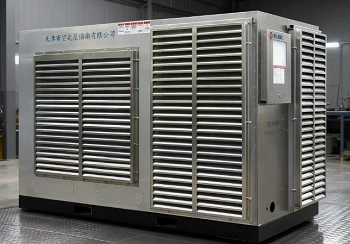
Check the oil levels in the compressor. The oil helps to lubricate the moving parts and also plays a role in heat transfer. Low oil levels can cause the compressor to run hotter, which can lead to condensation and freezing issues. Follow the manufacturer's recommendations for oil changes and top - ups.
Inspect the belts and other moving parts for wear and tear. Loose or worn belts can cause the compressor to operate inefficiently, which can also affect its ability to handle cold temperatures. Replace any damaged parts as soon as possible.
Choose the Right Compressor
If you're in a cold climate, it's important to choose a compressor that is suitable for these conditions. For example, the Screw Laser Cutting Air Compressor and Permanent Magnetic 1 - Stage Compression Air Compressor are designed with advanced features that can help them perform better in cold environments.
These compressors often have better insulation, more efficient air dryers, and stronger motors that can handle the extra load caused by cold temperatures. When selecting a compressor, make sure to consider the minimum operating temperature recommended by the manufacturer.
Conclusion
Preventing the freezing of a Fixed Speed Screw Air Compressor in cold environments requires a combination of proper installation, maintenance, and the use of appropriate equipment. By choosing the right location, keeping the air dry, insulating the system, using heating elements when necessary, and performing regular maintenance, you can ensure that your compressor runs smoothly even in the coldest conditions.
If you're looking for a reliable Fixed Speed Screw Air Compressor or need more advice on preventing freezing, don't hesitate to contact us. We're here to help you find the best solution for your needs and ensure that your compressor performs at its best.
References
- Compressor Handbook, [Author's Name], [Publication Year]
- Guide to Air Compressor Maintenance in Cold Climates, [Organization], [Publication Year]


