


Hey there! As a supplier of Precision Filters, I've seen firsthand how important it is to store these little guys properly. A Precision Filter, like the ones you can check out here, plays a crucial role in various industries, from manufacturing to food processing. If you don't store it right, you might end up with a filter that just doesn't work as well as it should. So, let's dive into how you can store a Precision Filter properly.
Understanding the Basics of a Precision Filter
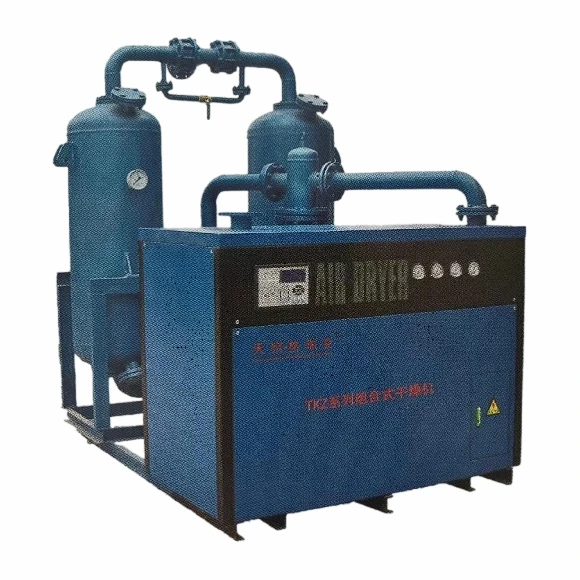
Before we get into storage, it's good to know what a Precision Filter is all about. These filters are designed to remove tiny particles, contaminants, and sometimes even moisture from air or other fluids. They're super precise, hence the name. In many industrial setups, they work hand - in - hand with other equipment like Freezing Dryers and Heatless Combined Dryers to ensure the quality of the compressed air or fluid.
Storage Conditions: Temperature and Humidity
The first thing you need to pay attention to is the temperature and humidity of the storage area. Precision Filters are sensitive to extreme temperatures and high humidity.
Temperature
You want to store your filters in an area where the temperature is relatively stable. Avoid places that get too hot or too cold. High temperatures can cause the filter media to expand and lose its shape, which means it won't filter as effectively. On the other hand, extremely cold temperatures can make the materials brittle and more likely to break. A good rule of thumb is to keep the storage temperature between 10°C and 30°C (50°F and 86°F).
Humidity
Humidity is another biggie. High humidity can lead to rusting of the filter housing, especially if it's made of metal. It can also cause the filter media to absorb moisture, which can affect its filtering performance. Try to keep the relative humidity in the storage area below 60%. If you're in a particularly humid climate, you might want to consider using a dehumidifier in the storage space.
Protecting from Physical Damage
Precision Filters are delicate pieces of equipment, and they can easily get damaged if they're not stored properly.
Packaging
When you receive the filters, they usually come in their original packaging. Keep them in this packaging until you're ready to use them. The packaging is designed to protect the filter from scratches, dents, and other physical damage during transit, and it can do the same during storage. If the original packaging gets damaged, you can use a sturdy box or a protective case to store the filter.
Storage Location
Choose a storage location where the filters won't be knocked over or stepped on. Shelving units are a great option. Make sure the shelves are stable and can support the weight of the filters. If you're storing multiple filters, stack them carefully so that they don't topple over. Avoid placing heavy objects on top of the filters, as this can crush the filter media or damage the housing.
Keeping Them Clean
A clean filter is a happy filter. Dirt and dust can accumulate on the filter over time, which can affect its performance.
Sealed Environment
If possible, store the filters in a sealed environment. This could be a plastic bag or a sealed container. A sealed environment will prevent dust and other contaminants from settling on the filter.
Regular Inspection
Even if the filters are stored in a sealed environment, it's a good idea to inspect them regularly. Check for any signs of dirt, rust, or damage. If you notice any issues, clean the filter or replace it if necessary.
Labeling and Organization
Proper labeling and organization can save you a lot of time and hassle when it comes to using the filters.

Labeling
Label each filter with important information such as the model number, size, and the date of purchase. This will make it easier to identify the right filter when you need it. You can use a permanent marker or a label maker to create the labels.
Organization
Organize the filters by size, model, or usage frequency. This will make it easier to find the filter you need quickly. You can use a storage system with compartments or bins to keep the filters organized.
Long - Term Storage Considerations
If you're planning to store the filters for a long time, there are a few additional things you need to keep in mind.
Desiccants
For long - term storage, you can add desiccants to the storage container. Desiccants are substances that absorb moisture, and they can help keep the filter dry. Silica gel packets are a common type of desiccant. Just make sure to replace the desiccants periodically, as they will lose their effectiveness over time.
Re - inspection
Before you use a filter that has been stored for a long time, give it a thorough inspection. Check for any signs of degradation, such as a change in the color or texture of the filter media. If you're unsure about the filter's condition, it might be a good idea to test it or consult with a professional.
Conclusion
Storing a Precision Filter properly is essential to ensure its performance and longevity. By paying attention to temperature, humidity, physical damage, cleanliness, labeling, and organization, you can keep your filters in top shape. Remember, a well - stored filter will do a better job of filtering out contaminants, which can save you money in the long run by reducing equipment downtime and maintenance costs.
If you're in the market for Precision Filters or have any questions about storage or usage, we're here to help. Feel free to reach out to us for more information and to start a procurement discussion. We'll be happy to assist you in finding the right filters for your needs.
References
- Industrial Filtration Handbook: This handbook provides in - depth information on the principles and practices of industrial filtration, including the storage of filters.
- Manufacturer's Guidelines: Always refer to the manufacturer's guidelines for specific storage instructions for your Precision Filters.


