


Hey there! I'm a supplier of compressed air treatment equipment, and I know firsthand how crucial it is to transport this gear safely. In this blog, I'll share some tips and tricks that I've picked up over the years to make sure your equipment arrives at its destination in top - notch condition.

Why Safe Transport Matters
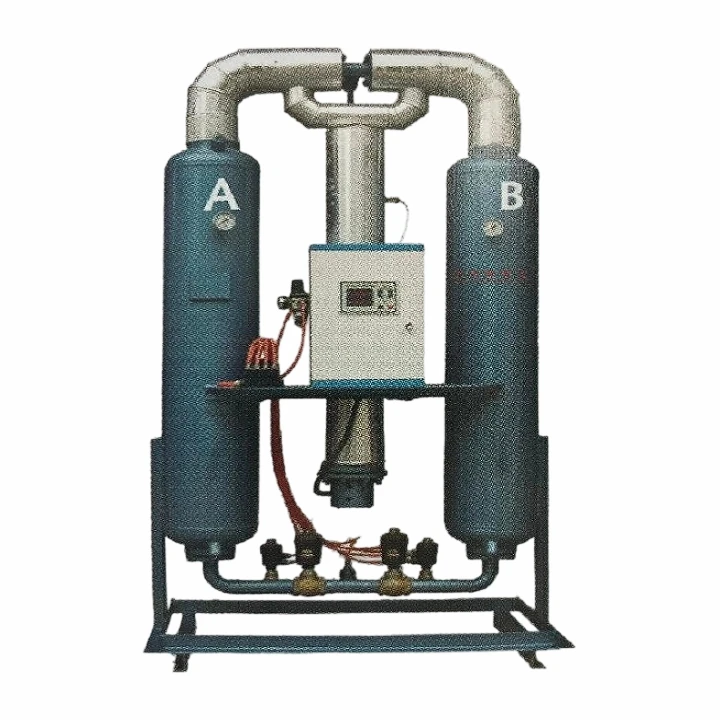
First off, let's talk about why safe transport is such a big deal. Compressed air treatment equipment, like Precision Filter, Micro Thermal Regeneration Adsorption Dryer, and Freezing Dryer, is often delicate and complex. These machines have lots of moving parts and sensitive components. If they get jostled around too much during transit, it can lead to all sorts of problems. For example, a misaligned part in a precision filter can reduce its efficiency, or a damaged valve in a dryer can cause it to malfunction. And that's not just a headache for the end - user; it can also damage our reputation as suppliers. So, safe transport is a win - win for everyone involved.
Pre - transport Preparation
Inspection
Before you even think about loading the equipment onto a truck, you need to give it a thorough inspection. Check for any visible signs of damage, loose parts, or leaks. Make sure all the gauges, valves, and switches are in good working order. If you find any issues, fix them right away. It's much easier to deal with problems in the warehouse than it is to try and sort them out after the equipment has been shipped.
Cleaning
Cleaning the equipment is another important step. Remove any dirt, dust, or debris that might have accumulated on the surface. This not only makes the equipment look better but also helps prevent any contaminants from getting into the internal components during transport. You can use a mild detergent and a soft cloth to clean the exterior, and for hard - to - reach areas, you might want to use a compressed air gun to blow out any debris.
Securing Loose Parts
Compressed air treatment equipment often has some loose parts, like hoses, fittings, or control panels. Make sure these are properly secured. You can use zip ties, straps, or tape to keep them in place. This will prevent them from rattling around during transit and potentially causing damage to the main unit.
Documentation
Don't forget about the paperwork. Make sure you have all the necessary documents, such as the bill of lading, packing list, and operating manuals. These documents will not only help the shipping company handle the equipment correctly but also provide the end - user with all the information they need to install and operate the equipment.
Packaging
Custom - made Crates
One of the best ways to protect your compressed air treatment equipment during transport is to use custom - made crates. These crates are designed to fit the specific dimensions of the equipment, providing a snug and secure fit. You can use high - quality wood or metal to build the crates, and line them with foam or other cushioning materials to absorb any shocks during transit.
Palletizing
If you're not using custom crates, palletizing is a good alternative. Place the equipment on a sturdy pallet and secure it with straps or shrink - wrap. Palletizing makes it easier to load and unload the equipment using a forklift, and it also helps keep the equipment stable during transport.
Internal Cushioning
Inside the crate or on the pallet, use plenty of cushioning materials. Foam, bubble wrap, and packing peanuts are all good options. Make sure the cushioning material is evenly distributed around the equipment to protect it from all sides. You can also use corner protectors to prevent any damage to the edges of the equipment.
Shipping Method Selection
Choosing the Right Carrier
Not all shipping carriers are created equal. When it comes to transporting compressed air treatment equipment, you want to choose a carrier with a good reputation for handling fragile and heavy items. Look for carriers that have experience in shipping industrial equipment and offer tracking services. You can also read reviews from other suppliers to get an idea of which carriers are the most reliable.
Mode of Transport
The mode of transport you choose will depend on several factors, such as the size and weight of the equipment, the distance it needs to travel, and the delivery time. For short - distance shipments, a local trucking company might be the best option. They can provide door - to - door service and are often more flexible with delivery times. For long - distance shipments, you might want to consider using a freight forwarder. They can arrange for the equipment to be transported by truck, rail, or even air, depending on your needs.
Insurance
No matter how careful you are, there's always a risk of damage during transport. That's why it's important to get insurance for your equipment. Make sure the insurance policy covers the full value of the equipment and any potential damages. This will give you peace of mind knowing that you're protected in case something goes wrong.
In - transit Monitoring
Tracking
Most shipping carriers offer tracking services these days. Use this feature to keep an eye on the equipment during transit. You can check the location of the shipment and get estimated delivery times. If there are any delays or issues, you can contact the carrier right away to find out what's going on.
Temperature and Humidity Monitoring
Some compressed air treatment equipment is sensitive to temperature and humidity. If that's the case, you might want to use temperature and humidity sensors to monitor the conditions inside the shipping container. This will help you ensure that the equipment is being transported in the right environment.
Unloading and Installation
Proper Unloading
When the equipment arrives at its destination, it's important to unload it properly. Use a forklift or other appropriate equipment to lift the equipment off the truck or out of the crate. Make sure the unloading area is clear and level to prevent any accidents.
Installation
Once the equipment is unloaded, it needs to be installed correctly. Provide the end - user with detailed installation instructions and, if possible, offer installation services. This will ensure that the equipment is set up properly and is ready to use right away.
Conclusion
Transporting compressed air treatment equipment safely is a multi - step process that requires careful planning and attention to detail. By following these tips, you can minimize the risk of damage during transport and ensure that your equipment arrives at its destination in perfect condition. Remember, safe transport is not just about protecting the equipment; it's also about building trust with your customers.
If you're in the market for high - quality compressed air treatment equipment or have any questions about transporting it safely, I'd love to hear from you. Feel free to reach out to me for more information and to start a procurement discussion.
References
- "Best Practices for Shipping Industrial Equipment", Industrial Shipping Journal, 2020
- "Packaging Guidelines for Fragile Items", Packaging Today Magazine, 2019
- "Transporting Sensitive Equipment: A Guide for Suppliers", Logistics and Supply Chain Review, 2021


