


In the realm of industrial operations, the performance of filtration systems is of paramount importance. As a supplier of Precision Filters, I am often asked about the filtration speed of these essential devices. Understanding the filtration speed of a Precision Filter is crucial for businesses aiming to optimize their processes, enhance product quality, and ensure the longevity of their equipment. In this blog post, I will delve into the concept of filtration speed, explore the factors that influence it, and discuss its significance in various applications.
What is Filtration Speed?
Filtration speed, also known as flow rate, refers to the volume of fluid that can pass through a filter within a given period. It is typically measured in liters per minute (L/min), cubic meters per hour (m³/h), or gallons per minute (GPM). In the context of Precision Filters, filtration speed is a critical parameter that determines the efficiency and effectiveness of the filtration process. A higher filtration speed means that more fluid can be processed in less time, resulting in increased productivity and reduced operating costs.
Factors Affecting Filtration Speed
Several factors can influence the filtration speed of a Precision Filter. Understanding these factors is essential for selecting the right filter for your application and ensuring optimal performance.

1. Filter Media
The type and quality of the filter media play a significant role in determining the filtration speed. Different filter media have different pore sizes, surface areas, and flow characteristics. For example, a filter with a larger pore size will generally have a higher filtration speed than one with a smaller pore size. However, a larger pore size may also result in lower filtration efficiency, as it allows larger particles to pass through the filter. Therefore, it is important to choose a filter media that strikes the right balance between filtration speed and efficiency.
2. Filter Area
The surface area of the filter also affects the filtration speed. A larger filter area provides more space for the fluid to pass through, resulting in a higher flow rate. This is why many Precision Filters are designed with pleated or multi-layered filter media to increase the surface area without increasing the physical size of the filter.
3. Pressure Differential
The pressure differential across the filter is another important factor that influences the filtration speed. The pressure differential is the difference in pressure between the inlet and outlet of the filter. A higher pressure differential will generally result in a higher filtration speed, as it provides a greater driving force for the fluid to pass through the filter. However, excessive pressure differential can also cause damage to the filter media and reduce its lifespan. Therefore, it is important to maintain the pressure differential within the recommended range for the specific filter.
4. Viscosity of the Fluid
The viscosity of the fluid being filtered also affects the filtration speed. Viscosity is a measure of the fluid's resistance to flow. A fluid with a higher viscosity will flow more slowly through the filter, resulting in a lower filtration speed. This is why it is important to choose a filter that is designed to handle the specific viscosity of the fluid being filtered.
5. Temperature
Temperature can also have an impact on the filtration speed. In general, the viscosity of a fluid decreases as the temperature increases, resulting in a higher filtration speed. However, high temperatures can also cause the filter media to degrade or lose its effectiveness. Therefore, it is important to choose a filter that is designed to operate within the recommended temperature range for the specific application.
Significance of Filtration Speed in Different Applications
The filtration speed of a Precision Filter is critical in various applications, including:
1. Compressed Air Systems
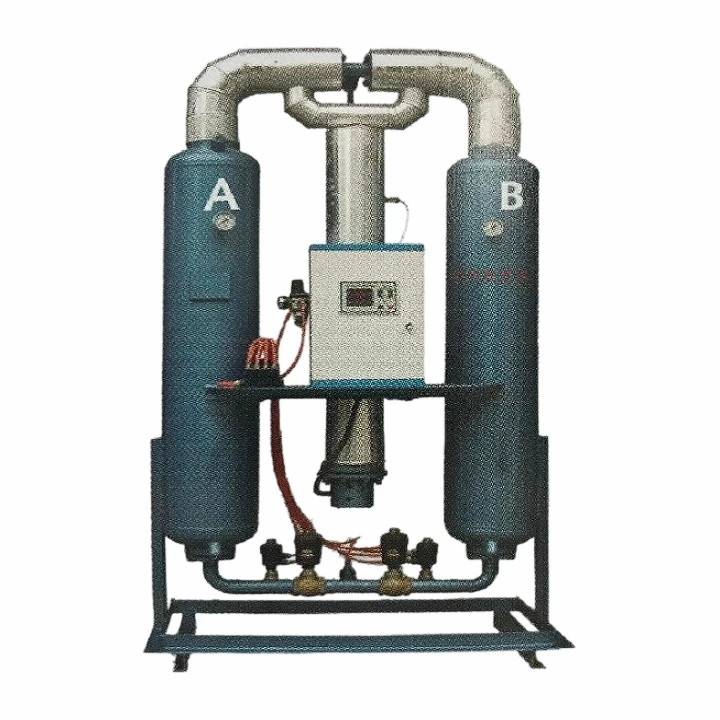
In compressed air systems, Precision Filters are used to remove contaminants such as dust, oil, and water from the compressed air. A high filtration speed is essential to ensure that the compressed air is clean and dry, which is crucial for the proper operation of pneumatic equipment and processes. Precision Filters are often used in conjunction with Micro Thermal Regeneration Adsorption Dryers and Heatless Combined Dryers to provide a comprehensive compressed air treatment solution.
2. Liquid Filtration
In liquid filtration applications, such as water treatment, chemical processing, and food and beverage production, Precision Filters are used to remove impurities and contaminants from the liquid. A high filtration speed is necessary to ensure that the liquid can be processed efficiently and in a timely manner.
3. Gas Filtration
In gas filtration applications, such as natural gas processing and petrochemical production, Precision Filters are used to remove particles, moisture, and other contaminants from the gas. A high filtration speed is essential to ensure that the gas can be processed at a high rate without causing any damage to the equipment.
How to Optimize Filtration Speed
To optimize the filtration speed of a Precision Filter, it is important to follow these best practices:
1. Choose the Right Filter
Select a filter that is specifically designed for your application and meets the required filtration speed and efficiency requirements. Consider factors such as the type of fluid being filtered, the particle size distribution, the operating conditions, and the required flow rate.
2. Maintain the Filter
Regular maintenance of the filter is essential to ensure optimal performance. This includes cleaning or replacing the filter media at the recommended intervals, monitoring the pressure differential across the filter, and checking for any signs of damage or wear.
3. Monitor the Operating Conditions
Keep a close eye on the operating conditions, such as the temperature, pressure, and flow rate, to ensure that they are within the recommended range for the filter. Any significant changes in the operating conditions can affect the filtration speed and efficiency of the filter.
4. Use a Pre-Filter
In some applications, it may be beneficial to use a pre-filter upstream of the Precision Filter to remove larger particles and extend the lifespan of the main filter. A pre-filter can also help to reduce the pressure differential across the main filter, resulting in a higher filtration speed.
Conclusion
The filtration speed of a Precision Filter is a critical parameter that determines the efficiency and effectiveness of the filtration process. By understanding the factors that influence the filtration speed and following the best practices for optimizing it, businesses can ensure that their filtration systems are operating at peak performance.
As a supplier of Precision Filters, we offer a wide range of high-quality filters that are designed to meet the diverse needs of our customers. Our filters are made from the finest materials and are manufactured using the latest technology to ensure superior performance and reliability. If you are looking for a Precision Filter that offers high filtration speed, efficiency, and durability, please do not hesitate to contact us for more information. We would be happy to help you find the right filter for your application and provide you with a competitive quote.
References
- "Filtration Handbook" by Christopher D. Dickenson
- "Industrial Filtration Technology" by William L. Blocher
- "Compressed Air and Gas Handbook" by Irving Krane


