


A variable frequency screw air compressor is a sophisticated and efficient piece of equipment widely used in various industrial and commercial applications. At the heart of its operation lies the check valve, a seemingly simple yet crucial component that plays multiple vital roles. As a leading supplier of variable frequency screw air compressors, I am well - versed in the functions and significance of the check valve in these systems.
Basic Understanding of a Check Valve
A check valve, also known as a non - return valve, is a mechanical device that allows fluid (in this case, compressed air) to flow in one direction only. It has a simple design with a valve disc that opens when the fluid pressure on the inlet side is higher than the pressure on the outlet side, allowing the air to pass through. When the pressure differential reverses, the valve disc closes, preventing the backflow of the fluid.
Preventing Backflow in the Compressor System
One of the primary functions of the check valve in a variable frequency screw air compressor is to prevent the backflow of compressed air. In a compressor system, the air is compressed within the screw rotors and then pushed out into the air receiver or the pipeline for further use. Without a check valve, when the compressor stops running, the high - pressure air in the receiver or the pipeline would flow back into the compressor. This backflow can cause several problems.
Firstly, it can damage the compressor's internal components. The sudden influx of high - pressure air can put excessive stress on the screw rotors, bearings, and other moving parts, leading to premature wear and tear or even catastrophic failure. Secondly, it can waste energy. The compressed air that has already been produced and stored in the receiver is essentially flowing back into the compressor, where it will have to be re - compressed again, consuming additional energy.
For example, in a manufacturing plant where the variable frequency screw air compressor is used to power pneumatic tools, if the check valve fails to prevent backflow, the compressed air in the tool lines will rush back into the compressor when it shuts down. This not only endangers the compressor but also means that the plant has to use more electricity to re - compress the air for the next operation.
Maintaining System Pressure
Another important function of the check valve is to help maintain the pressure in the air receiver and the downstream pipeline. Once the compressor has compressed the air and pushed it into the receiver, the check valve closes, isolating the high - pressure air in the receiver from the compressor. This allows the receiver to store the compressed air at a stable pressure.
In a variable frequency screw air compressor system, the compressor operates at different speeds according to the air demand. When the air demand is low, the compressor may slow down or even stop temporarily. During this time, the check valve ensures that the pressure in the receiver does not drop rapidly. This is crucial for applications that require a constant and stable air pressure.
For instance, in a painting booth where a precise air pressure is needed to atomize the paint properly, the check valve helps maintain the required pressure in the air supply line. Even when the compressor is not actively compressing air, the stored air in the receiver can still be used at a consistent pressure, thanks to the check valve.
Protecting the Compressor from Water Hammer
Water hammer is a phenomenon that occurs when there is a sudden change in the flow velocity of a fluid, resulting in a shock wave. In a variable frequency screw air compressor system, water hammer can occur when the compressor stops suddenly or when there is a rapid change in the air flow rate.
The check valve acts as a buffer against water hammer. When the compressor stops, the check valve closes quickly, preventing the high - pressure air in the pipeline from slamming back into the compressor. This reduces the impact of the shock wave on the compressor's internal components.
If the check valve fails to protect against water hammer, the shock wave can cause significant damage to the compressor, such as cracking the pipes, damaging the valves, or even causing the compressor to malfunction. In industries where the compressor is a critical part of the production process, such as the food and beverage industry where compressed air is used for packaging, any damage caused by water hammer can lead to costly production downtime.
Compatibility with Different Compressor Types
As a supplier of variable frequency screw air compressors, we offer a range of products, including Diesel Engine Driven Portable Screw Air Compressor, Permanent Magnetic 2 - Stage Compression Air Compressor, and Outdoor Use Moisture - proof Screw Air Compressor. The check valve is designed to be compatible with all these different types of compressors.
In a diesel - engine - driven portable screw air compressor, the check valve needs to be robust enough to withstand the vibrations and shocks associated with mobile operation. It also has to work effectively in different environmental conditions, such as dusty or humid environments. Our check valves are made of high - quality materials that can resist corrosion and wear, ensuring reliable performance in these challenging conditions.
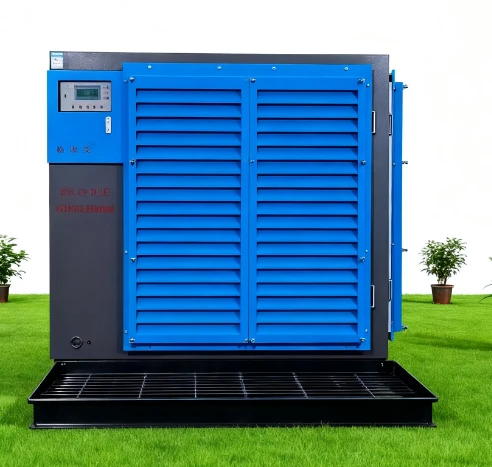

For the permanent magnetic 2 - stage compression air compressor, the check valve is optimized to work with the unique compression process of this type of compressor. The two - stage compression provides higher efficiency and lower energy consumption, and the check valve helps to maintain the pressure balance between the two compression stages and prevent backflow at each stage.
In the outdoor use moisture - proof screw air compressor, the check valve is designed to prevent moisture from entering the compressor through backflow. Moisture can cause rust and corrosion inside the compressor, reducing its lifespan. The check valve acts as a barrier, keeping the moisture - laden air in the pipeline from flowing back into the compressor.
Importance of Regular Maintenance
To ensure that the check valve functions properly, regular maintenance is essential. Over time, the check valve can become dirty or worn out. Dirt and debris can accumulate on the valve disc, preventing it from opening or closing smoothly. The valve seat may also wear out, leading to leaks.
As a supplier, we recommend that our customers inspect the check valve regularly as part of the overall compressor maintenance. This includes checking for any signs of damage, such as cracks or deformation, and cleaning the valve to remove any dirt or debris. If the check valve shows signs of excessive wear or damage, it should be replaced immediately to avoid any potential problems in the compressor system.
Conclusion
In conclusion, the check valve is a critical component in a variable frequency screw air compressor system. Its functions of preventing backflow, maintaining system pressure, protecting against water hammer, and being compatible with different compressor types are essential for the reliable and efficient operation of the compressor. As a supplier of variable frequency screw air compressors, we understand the importance of high - quality check valves and offer products that are designed to meet the highest standards.
If you are in the market for a variable frequency screw air compressor or need to replace the check valve in your existing system, we invite you to contact us for more information and to discuss your specific requirements. Our team of experts is ready to assist you in finding the best solution for your needs.
References
- Compressed Air and Gas Handbook, 4th Edition, by George F. Bloch and Heinz P. Bloch
- Industrial Compressed Air Systems: Selection, Installation, and Operation, by Peter A. Schweitzer


