


What is the impact of flow rate on the filtration performance of a Precision Filter?
As a supplier of precision filters, I've witnessed firsthand the critical role that flow rate plays in determining the filtration performance of these essential devices. Precision filters are designed to remove contaminants from fluids or gases to meet specific purity requirements, and understanding how flow rate affects their operation is crucial for ensuring optimal performance.
Understanding Flow Rate in Precision Filtration
Flow rate refers to the volume of fluid or gas that passes through the filter per unit of time, typically measured in liters per minute (L/min) or cubic meters per hour (m³/h). It is a fundamental parameter that directly influences the efficiency and effectiveness of the filtration process. When the flow rate is too high, the filter may not have sufficient time to capture all the contaminants, leading to reduced filtration performance. Conversely, a flow rate that is too low can result in longer filtration times and increased energy consumption.
Impact on Filtration Efficiency
One of the primary ways in which flow rate affects the filtration performance of a precision filter is through its impact on filtration efficiency. Filtration efficiency is defined as the percentage of contaminants removed from the fluid or gas by the filter. As the flow rate increases, the residence time of the fluid or gas within the filter decreases, reducing the opportunity for the filter media to capture contaminants. This can result in a decrease in filtration efficiency, as more contaminants are able to pass through the filter without being removed.
For example, in a liquid filtration system, a higher flow rate may cause the fluid to rush through the filter media, bypassing the pores and channels where contaminants are typically trapped. This can lead to a higher concentration of contaminants in the filtered fluid, compromising the quality of the end product. Similarly, in a gas filtration system, a high flow rate can prevent the filter from effectively capturing particulate matter and other airborne contaminants, increasing the risk of equipment damage and product contamination.
Pressure Drop and Flow Rate
Another important factor to consider when evaluating the impact of flow rate on filtration performance is pressure drop. Pressure drop refers to the difference in pressure between the inlet and outlet of the filter and is a measure of the resistance to flow caused by the filter media. As the flow rate increases, the pressure drop across the filter also increases, as more energy is required to push the fluid or gas through the filter.
A high pressure drop can have several negative consequences for the filtration system. Firstly, it can increase the energy consumption of the system, as more power is needed to maintain the desired flow rate. This can result in higher operating costs and reduced energy efficiency. Secondly, a high pressure drop can cause the filter to become clogged more quickly, as the increased resistance to flow can trap contaminants more effectively. This can lead to a shorter filter lifespan and more frequent filter replacements, increasing maintenance costs and downtime.
Filter Capacity and Flow Rate
Filter capacity refers to the maximum amount of contaminants that a filter can hold before it needs to be replaced. The flow rate can have a significant impact on the filter capacity, as a higher flow rate can cause the filter to become saturated more quickly. When the filter becomes saturated, it is no longer able to effectively capture contaminants, and the filtration performance begins to decline.
In addition to reducing the filter capacity, a high flow rate can also cause the filter to experience mechanical stress and damage. The increased pressure and velocity of the fluid or gas passing through the filter can cause the filter media to expand and contract, leading to premature wear and tear. This can result in a shorter filter lifespan and a higher risk of filter failure.
Optimizing Flow Rate for Precision Filtration
To ensure optimal filtration performance, it is important to carefully select the appropriate flow rate for the specific application. The flow rate should be based on a number of factors, including the type and size of the contaminants to be removed, the desired filtration efficiency, the filter capacity, and the pressure drop limitations of the system.
In some cases, it may be necessary to adjust the flow rate during the filtration process to maintain optimal performance. For example, if the filter becomes clogged and the pressure drop increases, the flow rate may need to be reduced to prevent the filter from becoming overloaded. Conversely, if the filtration efficiency is low, the flow rate may need to be increased to improve the contact between the fluid or gas and the filter media.
Complementary Equipment and Flow Rate Considerations
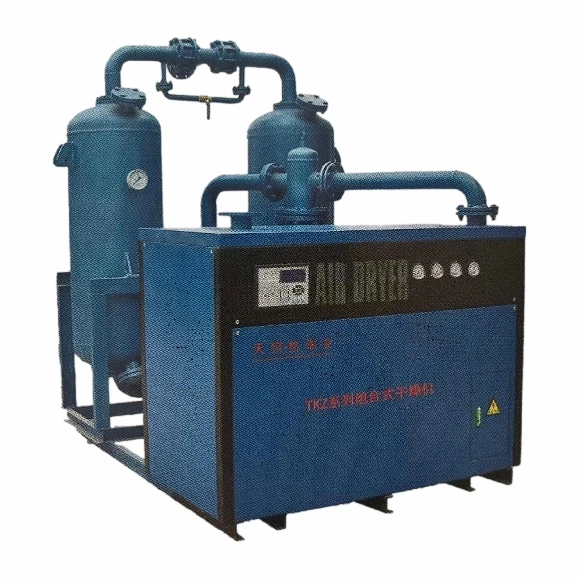
When considering the impact of flow rate on precision filter performance, it's also important to take into account the complementary equipment in the system. For instance, different types of dryers are often used in conjunction with precision filters in compressed air treatment systems.
The Micro Thermal Regeneration Adsorption Dryer is designed to remove moisture from compressed air, which can enhance the performance of the precision filter by reducing the amount of water vapor that could potentially carry contaminants. However, the flow rate of the compressed air through the dryer needs to be carefully balanced. If the flow rate is too high, the dryer may not be able to effectively remove the moisture, leading to wet compressed air entering the precision filter and reducing its filtration efficiency.
Similarly, the Heatless Combined Dryer and the Freezing Dryer also play crucial roles in the compressed air treatment process. The flow rate through these dryers affects their drying capacity and energy consumption. A high flow rate through a freezing dryer, for example, may cause the refrigerant system to work harder to achieve the desired dew point, increasing energy consumption and potentially affecting the overall performance of the precision filter downstream.

Conclusion
In conclusion, the flow rate has a significant impact on the filtration performance of a precision filter. A high flow rate can reduce filtration efficiency, increase pressure drop, decrease filter capacity, and cause mechanical stress and damage to the filter. To ensure optimal filtration performance, it is important to carefully select the appropriate flow rate for the specific application and to monitor and adjust the flow rate as needed to maintain optimal performance.
As a precision filter supplier, we are committed to providing our customers with the highest quality filtration products and solutions. Our team of experts can help you select the right filter for your application and optimize the flow rate to ensure maximum filtration performance. If you have any questions or would like to discuss your filtration needs, please don't hesitate to contact us for a detailed consultation and procurement discussion.
References
- Cheremisinoff, N. P. (2000). Handbook of Industrial Membrane Technology. Technomic Publishing.
- Foust, A. S., Wenzel, L. A., Clump, C. W., Maus, L., & Andersen, L. B. (1980). Principles of Unit Operations. John Wiley & Sons.
- Mallon, R. K., & Mayers, R. T. (1997). Chemical Process Design: Principles, Practice and Economics. McGraw-Hill.


