


Can a Freezing Dryer be Used for Food Preservation?
In the realm of food preservation, various methods have been developed over time to extend the shelf - life of food products while maintaining their nutritional value and quality. One such technology that has gained significant attention is the freezing dryer. As a supplier of Freezing Dryers, I am often asked whether these machines can be effectively used for food preservation. In this blog, we will explore the science behind freezing drying, its advantages and limitations in food preservation, and how it compares to other drying methods.
The Science of Freezing Drying
Freezing drying, also known as lyophilization, is a process that involves three main stages: freezing, primary drying (sublimation), and secondary drying (desorption). First, the food product is frozen at a very low temperature. This step is crucial as it forms ice crystals within the food, which will later be removed through sublimation.
During the primary drying stage, the frozen food is placed in a vacuum chamber. Under low - pressure conditions, the ice crystals directly turn into vapor without passing through the liquid phase, a process called sublimation. This helps to preserve the structure of the food because there is no liquid water to cause shrinkage or damage to the cellular structure.

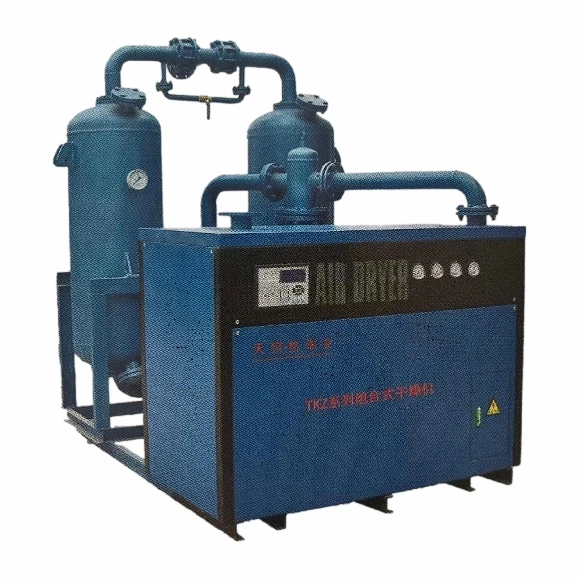
The secondary drying stage further removes any remaining bound water in the food. The temperature is slightly increased to break the bonds between the water molecules and the food matrix, allowing the water to be removed as vapor.
Advantages of Using a Freezing Dryer for Food Preservation
- Nutritional Preservation: One of the most significant advantages of freezing drying is its ability to preserve the nutritional content of food. Since the process occurs at low temperatures, heat - sensitive nutrients such as vitamins (e.g., vitamin C, B - vitamins) and enzymes are largely retained. For example, fruits and vegetables dried using a Freezing Dryer can retain up to 90% of their original vitamin content, making them a healthy option even after long - term storage.
- Long Shelf - Life: Freezing - dried foods have an extended shelf - life compared to fresh foods. The removal of water inhibits the growth of microorganisms such as bacteria, yeasts, and molds, which are the main causes of food spoilage. When properly packaged, freezing - dried foods can be stored for several years without significant loss of quality.
- Minimal Shrinkage and Good Rehydration: Unlike other drying methods such as hot - air drying, freezing drying causes minimal shrinkage of the food. This is because the sublimation process preserves the original structure of the food. As a result, freezing - dried foods can rehydrate quickly and regain their original shape and texture when soaked in water. This makes them convenient for use in various food applications, including camping foods, military rations, and instant soups.
- Flavor Preservation: The low - temperature process of freezing drying helps to preserve the natural flavors of the food. Volatile flavor compounds are less likely to be lost during sublimation, so the taste of the rehydrated food is closer to that of the fresh product.
Limitations of Freezing Drying for Food Preservation
- High Cost: The equipment and operation costs of a freezing dryer are relatively high. The initial investment in purchasing a freezing dryer is substantial, and the energy consumption during the freezing and vacuum - drying process is also significant. This can make the production of freezing - dried foods more expensive compared to other preservation methods.
- Slow Process: Freezing drying is a time - consuming process. The entire cycle of freezing, sublimation, and desorption can take several hours or even days, depending on the type and quantity of food being dried. This slow processing speed can limit the production capacity and increase the overall cost of production.
- Limited to Certain Foods: Not all foods are suitable for freezing drying. Foods with high fat or oil content may not dry well because the fat can interfere with the sublimation process and cause the food to become sticky. Additionally, some foods with a very high water content may require pre - treatment before freezing drying to improve the efficiency of the process.
Comparison with Other Drying Methods
- Hot - Air Drying: Hot - air drying is a commonly used method for food preservation. It involves exposing the food to hot air to evaporate the water. However, this method has several drawbacks compared to freezing drying. Hot - air drying occurs at high temperatures, which can cause significant loss of nutrients, flavor, and color. The food also tends to shrink and harden, and rehydration may not restore its original texture. In contrast, freezing drying offers better preservation of nutritional and sensory qualities.
- Heatless Combined Dryer and Non Thermal Regeneration Adsorption Dryer: These types of dryers are mainly used for industrial applications such as drying compressed air. They are not typically used for food preservation because they are designed to remove moisture from gases rather than from food products. Their operating principles and conditions are not suitable for maintaining the quality of food.
Applications of Freezing - Dried Foods
- Food Industry: In the food industry, freezing - dried foods are used in a wide range of products. They are used as ingredients in bakery products, confectionery, and dairy products to add flavor and nutritional value. Freezing - dried fruits and vegetables are also popular in the snack food market.
- Astronaut Food: Freezing - dried foods are a staple in space missions. Their long shelf - life, light weight, and ease of rehydration make them ideal for astronauts. They can be easily stored and prepared in the limited space and resources available on spacecraft.
- Emergency Food Supplies: Freezing - dried foods are an important part of emergency food supplies. They can be stored for long periods without refrigeration and provide a source of nutrition during natural disasters or other emergencies.
Conclusion
In conclusion, a freezing dryer can be effectively used for food preservation. It offers numerous advantages in terms of nutritional preservation, long shelf - life, and good sensory qualities. However, it also has some limitations, such as high cost and slow processing speed. Despite these limitations, the unique benefits of freezing drying make it a valuable technology for certain applications in the food industry.
If you are interested in exploring the potential of using a freezing dryer for your food preservation needs, we are here to help. As a leading supplier of Freezing Dryers, we can provide you with high - quality equipment and professional advice on the best practices for food freezing drying. Contact us to start a discussion about your specific requirements and how our products can meet your business goals.
References
- Geankoplis, C. J. (2003). Transport Processes and Unit Operations. Pearson Prentice Hall.
- Heldman, D. R., & Hartel, R. W. (1997). Principles of Food Processing. Aspen Publishers.
- King, C. J. (1971). Freeze Drying. Marcel Dekker.


