


Hey there! As a supplier of Fixed Speed Screw Air Compressors, I've seen firsthand how important it is to handle waste oil properly. Not only is it crucial for environmental reasons, but it also helps keep your compressor running smoothly. So, let's dive into how you can manage the waste oil from your Fixed Speed Screw Air Compressor.
Why Proper Waste Oil Handling Matters
First off, why should you care about dealing with waste oil the right way? Well, waste oil from air compressors can be pretty harmful to the environment if it's not handled correctly. It can contaminate soil and water sources, causing long - term damage to ecosystems.
On top of that, proper waste oil management is also a legal requirement in many places. Failing to comply with these regulations can lead to some hefty fines. And let's not forget about the performance of your compressor. If you don't change and dispose of the oil regularly, it can affect the efficiency of your Fixed Speed 2 - stage Compression Screw Air Compressor, leading to higher energy costs and more frequent breakdowns.
Identifying Waste Oil from Your Compressor
Before you can handle the waste oil, you need to know when it's time to change it. Most Fixed Speed Screw Air Compressors have an oil change interval specified in the user manual. Usually, it's based on the number of operating hours. For example, some compressors might require an oil change every 2000 - 3000 hours of use.
You can also tell if the oil needs changing by its appearance and smell. Fresh compressor oil is usually clear and has a mild odor. As it gets dirty, it will turn darker, sometimes even black. It might also start to smell burnt. If you notice these signs, it's time to drain the oil.
Draining the Waste Oil
When it's time to drain the waste oil, make sure you have the right tools and a safe workspace. You'll need an oil drain pan that's large enough to hold all the oil from your compressor. It's a good idea to place some absorbent material around the drain area to catch any spills.

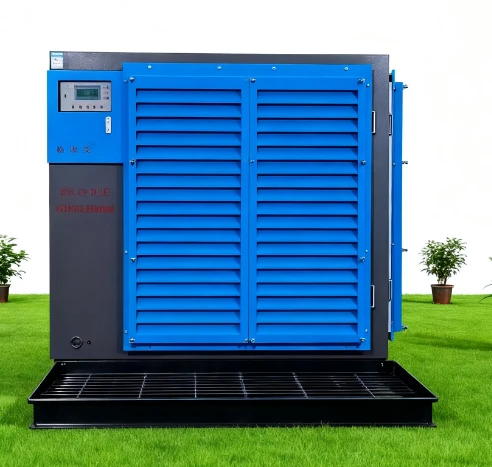
First, turn off the compressor and let it cool down. This is really important because hot oil can cause serious burns. Once it's cool, locate the oil drain plug on the compressor. Place the drain pan directly under the plug, then slowly remove the plug. Let the oil drain completely into the pan. This might take a few minutes, so be patient.
Storing the Waste Oil
After you've drained the oil, you need to store it properly until you can dispose of it. Use a sealed container made of a material that's compatible with the oil, like a metal or plastic drum. Make sure the container is clearly labeled as "Waste Oil" so there's no confusion.
Store the container in a cool, dry place away from direct sunlight and heat sources. It's also a good idea to keep it in a secondary containment area, like a spill - proof tray, in case there's a leak.
Recycling or Disposing of the Waste Oil
There are a few options for getting rid of the waste oil. One of the best ways is to recycle it. Many recycling centers accept waste oil from air compressors. Recycling not only helps the environment but also reduces the demand for new oil production.
You can also take the waste oil to a hazardous waste collection facility. These facilities are equipped to handle and dispose of waste oil safely. Some local governments even offer free waste oil collection services, so check with your local authorities to see if this is an option in your area.
Another option is to work with a professional waste management company. They have the expertise and equipment to handle large amounts of waste oil. They can also provide you with a certificate of disposal, which is useful for compliance purposes.
Reusing the Waste Oil (Under Certain Conditions)
In some cases, waste oil from your compressor can be reused after it's been properly treated. However, this is a bit more complicated and usually requires specialized equipment. If you're considering reusing the oil, it's best to consult with an expert. They can test the oil to see if it's suitable for reuse and recommend the right treatment process.
Preventing Waste Oil Generation
Of course, the best way to handle waste oil is to generate less of it in the first place. You can do this by maintaining your compressor properly. Regularly check the oil level and top it up as needed. This will help keep the oil clean for longer.
Also, make sure you're using the right type of oil for your compressor. Using the wrong oil can lead to faster degradation and more frequent oil changes. And don't forget to replace the oil filter regularly. A good oil filter can trap contaminants and extend the life of the oil.
Conclusion
Handling the waste oil from your Fixed Speed Screw Air Compressor is an important part of compressor maintenance. By following these steps, you can ensure that you're doing it safely and responsibly. Not only will it help protect the environment, but it will also save you money in the long run by keeping your compressor running efficiently.
If you're in the market for a new compressor or need more information on waste oil handling, feel free to reach out. We're here to help you make the best decisions for your business. Whether you're looking for a Motor Driven Portable Screw Air Compressor or an Outdoor Use Moisture - proof Screw Air Compressor, we've got you covered. Contact us today to start the procurement discussion!
References
- Compressor User Manuals
- Local Environmental Regulations
- Industry Best Practices for Compressor Maintenance


