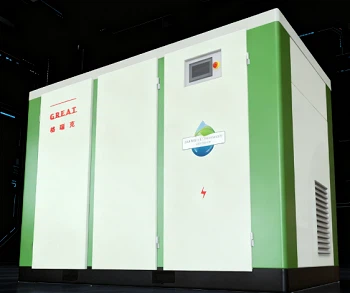
Improving the air quality of an outdoor use screw air compressor is crucial for both the efficiency of the compressor and the safety of the end - users. As a supplier of outdoor use screw air compressors, I understand the significance of this issue and have some effective strategies to share.
Understanding the Importance of Air Quality
The air quality output by an outdoor use screw air compressor has a direct impact on the performance of pneumatic tools and equipment that rely on this compressed air. Contaminated air can lead to premature wear and tear of these tools, reduced efficiency, and even safety hazards. For example, oil, water, and particulate matter in the compressed air can cause blockages in pneumatic valves, damage seals, and affect the accuracy of control systems.
Common Air Quality Issues in Outdoor Use Screw Air Compressors
Outdoor environments present unique challenges to air quality. Dust, dirt, and debris are more prevalent, which can easily enter the compressor intake. Additionally, humidity levels can vary greatly depending on the weather conditions, leading to water accumulation in the compressed air system. Another common issue is the presence of oil in the compressed air, which can be a result of the lubrication system in the compressor.
Strategies to Improve Air Quality
1. Proper Intake Location
The location of the air intake is the first line of defense against contaminants. It should be placed in an area where the air is relatively clean, away from sources of dust, exhaust fumes, and other pollutants. For example, avoid placing the intake near construction sites, roads, or industrial areas. Elevating the intake above the ground can also help reduce the amount of dust and debris that enters the compressor.
2. High - Quality Air Filters
Installing high - quality air filters is essential for removing particulate matter from the incoming air. There are different types of air filters available, including pre - filters and main filters. Pre - filters are designed to capture larger particles, while main filters can remove smaller particles down to a few microns. Regularly inspect and replace these filters according to the manufacturer's recommendations. A clogged filter can restrict airflow, reduce compressor efficiency, and allow contaminants to pass through.
3. Moisture Removal
Moisture is a common problem in outdoor use screw air compressors, especially in humid environments. To remove moisture from the compressed air, consider installing a refrigerated air dryer or a desiccant air dryer. A refrigerated air dryer cools the compressed air to condense the moisture, which is then drained out. A desiccant air dryer uses a desiccant material to absorb the moisture from the air. Both types of dryers have their advantages and disadvantages, and the choice depends on the specific requirements of the application.
4. Oil Management
If your compressor uses oil for lubrication, proper oil management is crucial to prevent oil from entering the compressed air. Use high - quality lubricating oil that is specifically designed for screw air compressors. Regularly change the oil and the oil filter according to the manufacturer's schedule. Additionally, install an oil separator to remove any oil mist from the compressed air before it leaves the compressor. Some modern compressors, such as the Oil-free Variable Frequency Screw Air Compressor, eliminate the need for oil lubrication altogether, providing oil - free compressed air.
5. Regular Maintenance
Regular maintenance is the key to ensuring the long - term performance and air quality of your outdoor use screw air compressor. This includes checking and tightening all connections, inspecting the belts and hoses for wear, and monitoring the operating parameters such as pressure and temperature. By performing regular maintenance, you can identify and address any potential issues before they become major problems.


Choosing the Right Compressor for Air Quality
When selecting an outdoor use screw air compressor, consider the specific air quality requirements of your application. Different types of compressors offer different levels of air quality. For example, the Permanent Magnetic 2 - Stage Compression Air Compressor provides high - efficiency compression and can be equipped with advanced air treatment systems to ensure clean air output. The Fixed Speed Screw Air Compressor is a reliable option for applications with a constant air demand and can also be configured to meet strict air quality standards.
Monitoring and Testing
Regularly monitor and test the air quality of your compressor to ensure that it meets the required standards. This can be done using air quality testing kits or by hiring a professional testing service. By monitoring the air quality, you can detect any changes over time and take appropriate action to maintain the desired level of air quality.
Conclusion
Improving the air quality of an outdoor use screw air compressor is a multi - faceted process that requires careful consideration of intake location, filtration, moisture removal, oil management, and regular maintenance. By implementing these strategies and choosing the right compressor for your application, you can ensure that your compressed air is clean, dry, and free of contaminants.
If you are interested in learning more about our outdoor use screw air compressors or have any questions about improving air quality, we invite you to contact us for a detailed discussion. Our team of experts is ready to assist you in finding the best solution for your specific needs. We look forward to the opportunity to work with you and help you achieve optimal air quality for your compressed air systems.
References
- Compressed Air and Gas Institute (CAGI). Compressed Air Handbook.
- Manufacturer's manuals for outdoor use screw air compressors.
- Industry standards and guidelines for compressed air quality.