


Hey there! As a supplier of compressed air treatment equipment, I've seen my fair share of issues with these machines. Troubleshooting can be a real headache, but don't worry, I'm here to help you out. In this blog, I'll share some tips and tricks on how to troubleshoot common problems with compressed air treatment equipment.
Understanding the Basics
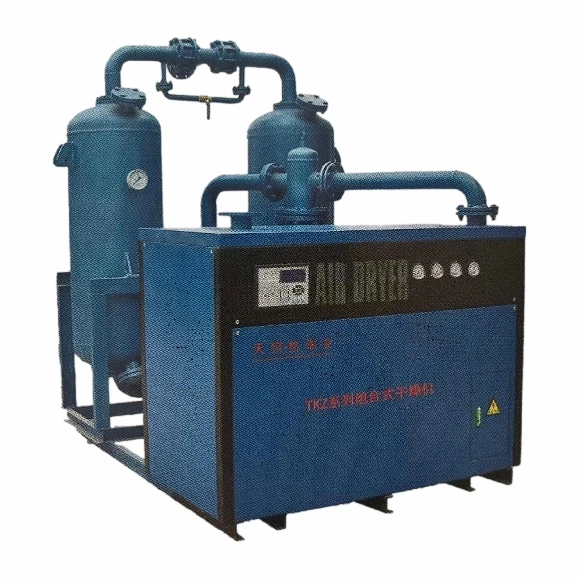
First things first, let's talk about what compressed air treatment equipment does. It's designed to clean, dry, and filter compressed air, making it suitable for various industrial applications. The main types of equipment we deal with include Freezing Dryer, Heatless Combined Dryer, and Micro Heat Combined Dryer. Each type has its own set of functions and potential issues.
Common Problems and Solutions
1. High Dew Point
One of the most common problems is a high dew point in the compressed air. The dew point is the temperature at which water vapor in the air condenses into liquid. A high dew point means there's too much moisture in the air, which can cause corrosion, damage to pneumatic tools, and other issues.
Possible Causes
- Clogged Filters: If the filters in your dryer are clogged, they won't be able to remove moisture effectively.
- Low Refrigerant Levels: In a freezing dryer, low refrigerant levels can prevent the air from being cooled enough to remove moisture.
- Faulty Valves: Malfunctioning valves can disrupt the normal operation of the dryer, leading to a high dew point.
Solutions
- Check and Replace Filters: Regularly inspect and replace the filters according to the manufacturer's recommendations.
- Refill Refrigerant: If you suspect low refrigerant levels, have a professional technician refill it.
- Inspect and Repair Valves: Check the valves for any signs of damage or malfunction and repair or replace them as needed.
2. High Pressure Drop
Another common issue is a high pressure drop across the treatment equipment. A high pressure drop means that the air pressure is significantly reduced as it passes through the equipment, which can affect the performance of downstream equipment.
Possible Causes
- Blocked Air Path: Debris or dirt can block the air path inside the equipment, causing a restriction in airflow.
- Worn Seals: Worn seals can allow air to leak, leading to a pressure drop.
- Incorrect Sizing: If the equipment is not sized correctly for the air flow rate, it can cause a high pressure drop.
Solutions

- Clean the Air Path: Remove any debris or dirt from the air path using compressed air or a suitable cleaning agent.
- Replace Seals: Inspect the seals regularly and replace them if they show signs of wear.
- Check Sizing: Make sure the equipment is sized correctly for your specific application. If necessary, consult with a professional to determine the appropriate size.
3. Noise and Vibration
Excessive noise and vibration can be a sign of a problem with the compressed air treatment equipment. It can also be a nuisance to workers and may indicate potential damage to the equipment.
Possible Causes
- Loose Components: Loose bolts, nuts, or other components can cause noise and vibration.
- Imbalanced Rotating Parts: In equipment with rotating parts, such as compressors, an imbalance can cause excessive vibration.
- Worn Bearings: Worn bearings can also lead to noise and vibration.
Solutions
- Tighten Components: Check all the bolts, nuts, and other components and tighten them if necessary.
- Balance Rotating Parts: Have a professional technician balance the rotating parts to reduce vibration.
- Replace Bearings: If the bearings are worn, replace them as soon as possible to prevent further damage.
4. Leakage
Air leakage is another common problem that can waste energy and reduce the efficiency of the compressed air system.
Possible Causes
- Cracked Hoses or Pipes: Cracks in the hoses or pipes can allow air to leak out.
- Loose Fittings: Loose fittings can also cause air leakage.
- Faulty Seals: As mentioned earlier, faulty seals can lead to air leakage.
Solutions
- Inspect and Replace Hoses and Pipes: Regularly inspect the hoses and pipes for any signs of cracks or damage and replace them as needed.
- Tighten Fittings: Check all the fittings and tighten them to prevent air leakage.
- Replace Seals: Replace any faulty seals to ensure a proper seal.
Preventive Maintenance
The best way to avoid these problems is to implement a preventive maintenance program. Here are some tips:
- Regular Inspections: Conduct regular inspections of the equipment to check for any signs of wear, damage, or potential problems.
- Cleaning and Lubrication: Keep the equipment clean and lubricated according to the manufacturer's recommendations.
- Training: Make sure your employees are trained on how to operate and maintain the equipment properly.
Conclusion
Troubleshooting compressed air treatment equipment can be challenging, but with the right knowledge and approach, you can identify and solve most problems. By following the tips and solutions outlined in this blog, you can keep your equipment running smoothly and avoid costly downtime.
If you're experiencing any issues with your compressed air treatment equipment or if you're looking to purchase new equipment, don't hesitate to contact us. We're here to help you find the best solutions for your needs. Let's work together to ensure your compressed air system is operating at its best!
References
- Manufacturer's manuals for compressed air treatment equipment
- Industry standards and guidelines for compressed air systems


