In the industrial field, blowers are key pneumatic conveying equipment, and their structural design directly affects the efficiency and service life of the system. The core technology of modern blowers lies in the precise balance of airflow control, power output and mechanical durability.
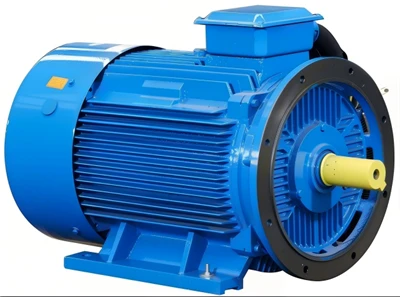
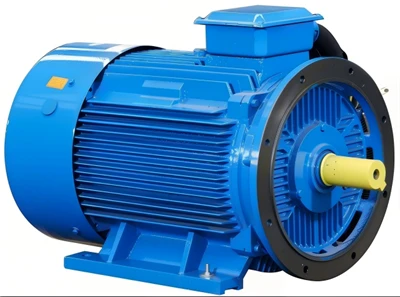
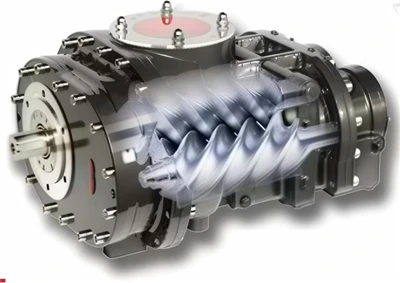
A typical blower consists of four parts: power unit, impeller assembly, diffuser structure and adjustment system. The power unit usually adopts a double-support bearing design and is equipped with a high-precision gearbox to achieve stable speed control. The impeller, as the core power transmission component, is made of high-strength aluminum alloy or stainless steel, and the surface is pneumatically optimized to ensure that the airflow flows with minimal friction loss. The multi-layer centrifugal impeller design can increase the wind pressure, which is particularly suitable for scenes requiring high-pressure transportation.
The diffuser structure realizes the conversion of kinetic energy to pressure energy through a multi-stage diffuser plate, and its arc-shaped guide groove can significantly reduce the turbulence intensity. The advanced labyrinth seal device combined with high-temperature resistant bearings can reduce leakage losses and improve reliability in high temperature environments. The intelligent variable frequency control system is linked with the pressure sensor to achieve real-time matching of power consumption and air volume.
In terms of structural details, the main shaft is carburized and quenched to ensure long-term fatigue resistance, and the bearing seat is equipped with a forced lubrication pipeline to extend the maintenance cycle. The anti-resonance cavity design effectively absorbs high-frequency vibrations and reduces noise emissions. According to different media characteristics, carbon steel lining, ceramic coating or special alloy materials can be selected to deal with corrosive gas scenarios.
Reasonable structural design enables modern blowers to show significant energy efficiency advantages in industrial dust removal, chemical pneumatic conveying and other scenarios. Its modular architecture also provides sufficient technical space for customized transformation, promoting the development of pneumatic conveying technology towards intelligence and efficiency.