


Can air suspension blowers be used in power plants? That's a question I get asked a lot as a supplier of Air Suspension Blower. And the short answer is yes! But let's dive a bit deeper into this topic and see why air suspension blowers can be a great fit for power plants.
First off, let's talk about what air suspension blowers are. These bad boys use air bearings instead of traditional oil - lubricated bearings. This means less maintenance, lower energy consumption, and quieter operation. In a power plant, where you've got a lot of moving parts and a need for reliability, these features are a game - changer.
One of the main applications of blowers in power plants is for combustion air supply. When coal, natural gas, or other fuels are burned in a boiler to generate steam, they need a steady supply of oxygen. Air suspension blowers can provide that consistent and reliable airflow. Unlike some other types of blowers, they can adjust their output based on the power plant's needs. For example, if the power plant is ramping up production to meet a peak demand, the air suspension blower can increase the airflow accordingly.
Another area where air suspension blowers shine is in flue gas desulfurization (FGD) systems. FGD is a process used to remove sulfur dioxide from the exhaust gases of power plants. These systems require a lot of air to operate effectively. Air suspension blowers can handle the high - volume, high - pressure requirements of FGD systems with ease. Their energy - efficient design also helps to keep the operating costs of the FGD system down, which is a big deal for power plant operators who are always looking to cut expenses.
Now, let's compare air suspension blowers with some other types of blowers that are commonly used in power plants. We've got the Twin Screw Blower and the Magnetic Blower.
Twin screw blowers are well - known for their durability and ability to handle high - pressure applications. However, they do require regular maintenance, especially when it comes to the lubrication of their gears and bearings. This can be a hassle in a power plant environment, where downtime for maintenance can be costly. Air suspension blowers, on the other hand, have fewer moving parts and don't need oil lubrication, so they can operate for longer periods without major maintenance.
Magnetic blowers use magnetic levitation to support the impeller. They are also energy - efficient, but they can be more expensive to purchase upfront compared to air suspension blowers. And in some cases, the magnetic components can be sensitive to temperature and other environmental factors. Air suspension blowers are more robust in this regard and can operate in a wider range of conditions.
In terms of performance, air suspension blowers offer high - speed operation and a wide range of flow rates. They can achieve high efficiency even at partial loads, which is important in power plants where the demand for air can vary throughout the day. For example, during off - peak hours, the power plant may not need as much combustion air, and the air suspension blower can operate at a lower capacity while still maintaining good efficiency.
Let's also talk about the environmental benefits of using air suspension blowers in power plants. As mentioned earlier, their energy - efficient design helps to reduce the overall energy consumption of the power plant. This not only saves money but also reduces the carbon footprint of the plant. In today's world, where there's a growing emphasis on environmental sustainability, power plant operators are always looking for ways to make their operations greener. Air suspension blowers can be a part of that solution.
But like any technology, air suspension blowers aren't perfect. One potential drawback is their initial cost. They can be more expensive to buy than some other types of blowers. However, when you consider the long - term savings in maintenance and energy costs, the investment can pay off in the long run.
Another thing to keep in mind is that proper installation and commissioning are crucial for air suspension blowers. They need to be installed by trained professionals to ensure that they operate correctly. And once they're up and running, regular monitoring is also necessary to make sure they're performing at their best.
So, if you're a power plant operator or someone involved in the power generation industry, you might be wondering how to make the decision about whether to use air suspension blowers. Here are some things to consider:
- Your power plant's specific needs: Think about the type of fuel you use, the size of your plant, and your peak and off - peak demand for air. This will help you determine if an air suspension blower can meet your requirements.
- Budget: While the long - term savings are significant, you need to make sure you have the upfront capital to invest in an air suspension blower.
- Maintenance capabilities: If your power plant has a limited maintenance team or resources, the low - maintenance nature of air suspension blowers can be a big advantage.
In conclusion, air suspension blowers can definitely be used in power plants. They offer a range of benefits, including energy efficiency, low maintenance, and reliable performance. While there are some considerations to keep in mind, the advantages often outweigh the drawbacks.

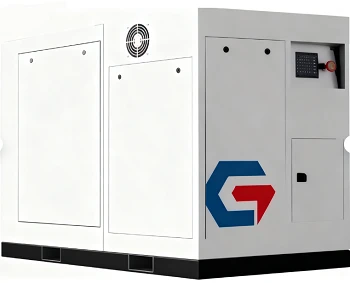
If you're interested in learning more about how air suspension blowers can work for your power plant, or if you're ready to start the procurement process, I'd love to have a chat with you. We can discuss your specific needs and see if our air suspension blowers are the right fit for your operation.
References
- General knowledge of power plant operations and blower technologies.
- Industry reports on energy - efficient equipment in power plants.


