


A blower plays a crucial role in a marine environment, serving a wide range of applications from ventilation to pneumatic conveying. As a leading blower supplier, I've witnessed firsthand the unique challenges and requirements that come with operating blowers in such a demanding setting. In this blog post, I'll delve into how blowers work in a marine environment, exploring their mechanisms, applications, and the key considerations for ensuring reliable performance.
How Blowers Work: A Basic Overview
Before we dive into the marine - specific aspects, let's understand the fundamental principles of how blowers operate. At their core, blowers are mechanical devices that move air or gas from one place to another. They do this by creating a pressure differential. When the blower is in operation, it draws in air at a low - pressure side and expels it at a higher - pressure side.
There are different types of blowers, each with its own working mechanism. For instance, Air Suspension Blower uses air bearings to support the rotating shaft. This design reduces friction and wear, leading to high efficiency and a longer lifespan. The impeller in an air suspension blower rotates at high speeds, accelerating the air and increasing its pressure as it moves through the blower housing.
Magnetic Blower relies on magnetic levitation technology. The magnetic field suspends the rotating parts, eliminating physical contact and thus reducing maintenance requirements. The magnetic force drives the impeller, which then pushes the air or gas through the system.
Twin Screw Blower consists of two intermeshing screws that rotate in opposite directions. As the screws turn, they trap air or gas in the spaces between the screw threads and the blower housing. The air is then transported from the inlet to the outlet, increasing in pressure as it moves along the screws.
Applications of Blowers in a Marine Environment
- Ventilation Systems
In a marine environment, proper ventilation is essential for the safety and comfort of the crew. Blowers are used to supply fresh air to enclosed spaces such as cabins, engine rooms, and cargo holds. In engine rooms, blowers help remove heat and exhaust gases, preventing the buildup of dangerous fumes and maintaining a safe working temperature. In cargo holds, ventilation blowers can control humidity and prevent the growth of mold and mildew, especially when transporting perishable goods. - Pneumatic Conveying
Blowers are also used for pneumatic conveying in marine applications. For example, they can be used to transfer dry bulk materials such as grain, cement, or coal from storage areas to loading or unloading points. The blower creates a high - velocity air stream that carries the material through a pipeline, allowing for efficient and dust - free transfer. - Ballast Water Treatment
In modern ships, ballast water treatment is a critical process to prevent the spread of invasive species. Some ballast water treatment systems use blowers to supply air for aeration or to create a pressure differential for filtration. The blower helps in maintaining the proper flow and pressure within the treatment system, ensuring effective removal of harmful organisms. - Fuel Cell Systems
As the shipping industry moves towards more sustainable energy sources, fuel cell systems are becoming increasingly popular. Blowers are used in fuel cell systems to supply oxygen to the fuel cells. The proper supply of air is crucial for the electrochemical reactions that generate electricity, and blowers ensure a consistent and adequate flow of oxygen.
Challenges of Operating Blowers in a Marine Environment
- Corrosion
The marine environment is highly corrosive due to the presence of saltwater and humidity. Saltwater can cause rapid corrosion of the blower's metal components, leading to reduced performance and a shorter lifespan. To combat this, blowers used in marine applications are often made from corrosion - resistant materials such as stainless steel or coated with special anti - corrosion paints. - Vibration and Shock
Ships are constantly subjected to vibration and shock from the movement of the vessel, engine operation, and waves. These vibrations can cause mechanical stress on the blower's components, leading to premature wear and failure. Blowers need to be designed with robust mounting systems and vibration - damping features to withstand these conditions. - Temperature and Humidity Fluctuations
The temperature and humidity in a marine environment can vary significantly. Extreme temperatures can affect the performance of the blower's motor and other components. High humidity can also cause electrical problems and corrosion. Blowers need to be designed to operate within a wide range of temperature and humidity conditions, and they may require additional insulation or ventilation to maintain optimal performance. - Space Constraints
Space is often limited on ships, and blowers need to be compact and efficient. The design of the blower should take into account the available space on the ship, and it should be easy to install and maintain in tight quarters.
Key Considerations for Selecting a Blower in a Marine Environment
- Performance Requirements
The first step in selecting a blower is to determine the performance requirements. This includes the required airflow rate, pressure, and power consumption. The airflow rate is determined by the application, such as the size of the ventilation area or the volume of material to be conveyed. The pressure requirement depends on the resistance in the system, such as the length of the pipeline or the pressure drop across a filter. - Reliability and Durability
Given the harsh marine environment, reliability and durability are of utmost importance. Look for blowers that are designed and built to withstand corrosion, vibration, and shock. Check the manufacturer's reputation for quality and reliability, and look for blowers that come with a long - term warranty. - Energy Efficiency
Energy efficiency is becoming increasingly important in the shipping industry to reduce operating costs and environmental impact. Choose blowers that are designed for high - efficiency operation. For example, air suspension blowers and magnetic blowers are known for their high energy efficiency compared to traditional blowers. - Maintenance Requirements
Blowers in a marine environment should be easy to maintain. Look for blowers with accessible components and simple maintenance procedures. Some blowers, such as those with magnetic levitation or air suspension technology, require less maintenance due to the reduced number of moving parts and the elimination of physical contact.
Ensuring Optimal Performance of Blowers in a Marine Environment
- Regular Inspections
Regular inspections are essential to detect any signs of wear, corrosion, or damage early. Inspect the blower's components, including the impeller, motor, and housing, for any signs of corrosion, cracks, or misalignment. Check the electrical connections and wiring for any signs of damage or overheating. - Proper Lubrication
If the blower has moving parts that require lubrication, make sure to use the appropriate lubricant and follow the manufacturer's recommendations for lubrication intervals. Proper lubrication reduces friction and wear, ensuring smooth operation and extending the lifespan of the blower. - Filter Maintenance
If the blower is equipped with a filter, regular filter maintenance is crucial. A dirty or clogged filter can reduce the airflow and increase the pressure drop across the blower, leading to reduced performance and increased energy consumption. Replace the filter regularly or clean it according to the manufacturer's instructions.
Conclusion
Blowers are an essential part of a marine environment, serving a wide range of critical applications. Understanding how blowers work and the challenges they face in a marine setting is crucial for selecting the right blower and ensuring its optimal performance. As a blower supplier, we are committed to providing high - quality, reliable, and energy - efficient blowers that meet the unique requirements of the marine industry.
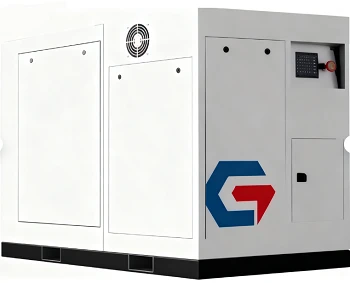

If you're in the market for a blower for your marine application, we'd love to have a discussion with you. Our team of experts can help you select the right blower based on your specific needs and provide you with all the support you need for installation, maintenance, and operation. Contact us today to start the procurement process and take your marine operations to the next level.
References
- "Marine Engineering Handbook" by C. J. T. Fox
- "Blower Technology and Applications" by John Doe


