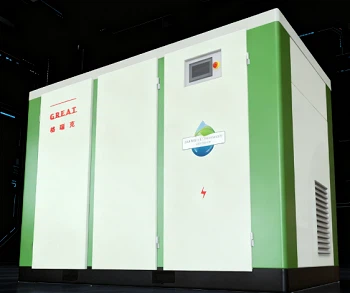
As a supplier of Magnetic Blowers, I've encountered numerous inquiries from customers regarding low flow rate issues. A magnetic blower is a crucial piece of equipment in various industrial and commercial applications, such as wastewater treatment, pneumatic conveying, and aquaculture. When the flow rate drops below the expected level, it can significantly impact the efficiency and performance of the entire system. In this blog, I'll delve into the potential causes of low flow rate in magnetic blowers and offer some insights on how to address them.


1. Blockages in the Inlet or Outlet
One of the most common causes of low flow rate in a magnetic blower is blockages in the inlet or outlet. Debris, dust, or foreign objects can accumulate over time, restricting the airflow and reducing the blower's capacity. For example, in a wastewater treatment plant, the inlet filter may become clogged with dirt and sediment, preventing the blower from drawing in sufficient air. Similarly, in a pneumatic conveying system, the outlet pipe may be blocked by material buildup, impeding the flow of air and the conveyed material.
To prevent blockages, regular maintenance is essential. This includes inspecting and cleaning the inlet filters, checking the outlet pipes for obstructions, and removing any debris or foreign objects. Additionally, installing a pre - filter or a fine - mesh screen at the inlet can help trap larger particles and reduce the risk of blockages.
2. Impeller Damage or Wear
The impeller is a key component of a magnetic blower, responsible for generating the airflow. If the impeller is damaged or worn, it can lead to a significant reduction in flow rate. Impeller damage can occur due to various reasons, such as corrosion, erosion, or impact from foreign objects. For instance, in a corrosive environment, the impeller may be gradually eaten away by chemicals, altering its shape and reducing its efficiency.
To detect impeller damage, a visual inspection can be carried out. If signs of wear or damage are found, the impeller should be replaced promptly. It's also important to ensure that the impeller is properly balanced during installation, as an unbalanced impeller can cause vibrations and further damage to the blower.
3. Motor Issues
The motor is the power source of the magnetic blower, and any problems with the motor can affect the flow rate. A motor that is under - powered or malfunctioning may not be able to drive the impeller at the required speed, resulting in low flow. For example, if the motor is overloaded, it may slow down or even stop, causing a sudden drop in airflow.
Regular motor maintenance is crucial to prevent such issues. This includes checking the motor's electrical connections, ensuring proper lubrication, and monitoring the motor's temperature and current draw. If the motor is found to be faulty, it should be repaired or replaced by a qualified technician.
4. Leaks in the System
Leaks in the blower system can also cause low flow rate. Air leaks can occur at various points, such as the joints, seals, or gaskets. When there are leaks, some of the air generated by the blower escapes before it can reach the intended destination, reducing the overall flow rate.
To detect leaks, a pressure test can be conducted on the system. Any leaks found should be sealed immediately using appropriate sealing materials. It's also important to ensure that all connections are tight and properly installed during the initial setup of the blower system.
5. Incorrect System Design or Installation
In some cases, low flow rate issues can be attributed to incorrect system design or installation. For example, if the pipes are too small or too long, they can create excessive resistance, reducing the airflow. Similarly, if the blower is installed in a location with poor ventilation, it may not be able to operate efficiently.
When designing a system with a magnetic blower, it's important to consider factors such as the required flow rate, pressure, and the characteristics of the conveyed medium. A professional engineer should be consulted to ensure that the system is properly designed and installed.
6. High System Backpressure
Backpressure is the resistance that the blower has to overcome to push the air through the system. If the backpressure is too high, the blower may not be able to generate enough flow. High backpressure can be caused by factors such as long and narrow pipes, multiple bends in the piping system, or a clogged filter downstream.
To reduce backpressure, the piping system can be optimized by using larger - diameter pipes, minimizing the number of bends, and ensuring that all filters are clean. Additionally, a pressure - relief valve can be installed to prevent excessive backpressure from damaging the blower.
Conclusion
Low flow rate in a magnetic blower can be caused by a variety of factors, ranging from simple blockages to complex motor or system design issues. As a supplier of Magnetic Blower, I understand the importance of maintaining the optimal performance of these blowers. By identifying and addressing the root causes of low flow rate, you can ensure that your magnetic blower operates efficiently and effectively.
If you're experiencing low flow rate issues with your magnetic blower or are looking for a reliable blower solution for your application, we're here to help. Our team of experts can provide you with professional advice, installation services, and high - quality products. Whether you need a Twin Screw Blower for heavy - duty applications or an Air Suspension Blower for energy - efficient operation, we have the right solution for you. Contact us today to discuss your requirements and explore the possibilities of improving your system's performance.
References
- ASHRAE Handbook of HVAC Systems and Equipment.
- Manufacturer's manuals for magnetic blowers.
- Industrial ventilation guidelines and standards.