With the continuous promotion of the global "carbon neutrality" goal and the deepening implementation of domestic policies such as the "2024-2025 Energy Conservation and Carbon Reduction Action Plan", the air compressor industry is ushering in a profound green revolution. As a key equipment in industrial production with energy consumption accounting for up to 15% -35%, the energy-saving upgrade of air compressors is no longer a "multiple-choice question", but a "must answer question" related to the survival and development of enterprises. In 2025, there will be two core trends in industry development: moving from single machine energy saving to intelligent energy saving for the entire station, and deepening the application of permanent magnet frequency conversion technology.
In 2025, when manufacturing costs are intensifying, a certain automotive parts company has saved over 800000 yuan in electricity bills over three years by replacing a new type of screw air compressor. This real case reveals the energy efficiency revolution of industrial power systems. The core technology is the golden combination of permanent magnet frequency conversion and two-stage compression.
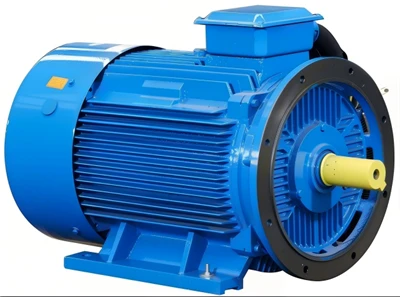
Permanent magnet frequency conversion technology has become mainstream in the market due to its excellent energy efficiency performance under partial loads. Compared with traditional power frequency air compressors, permanent magnet variable frequency air compressors can adjust the motor speed in real time according to the actual gas consumption, avoiding the huge energy waste caused by frequent loading and unloading, and the comprehensive energy-saving efficiency can be improved by 20% to 35%.
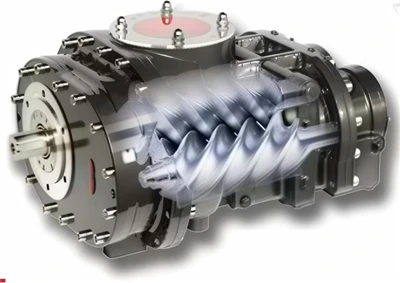
On this basis, two-stage compression technology divides the compression process into two stages, reducing the compression ratio of each compression and making each compression closer to isothermal compression, thereby greatly improving compression efficiency. According to the "Research Report on the Development of China's Air Compressor Machinery Industry from 2025 to 2030", the combination of permanent magnet frequency conversion and two-stage compression technology will become the standard configuration in the high-end air compressor market in the coming years, promoting the overall energy efficiency level of the industry to a new level.